Garlic Butter Shrimp Scampi with Linguine
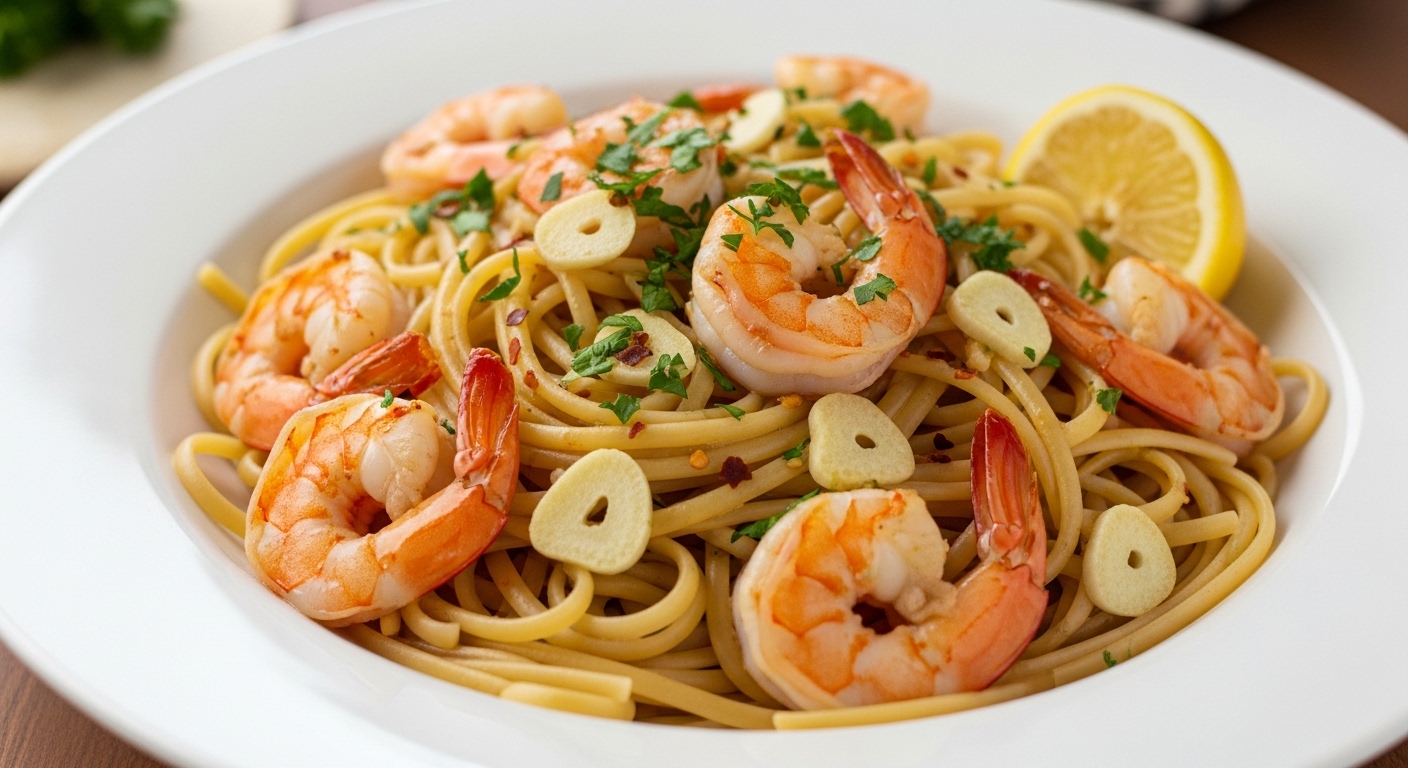
Shrimp scampi is proof that incredible food doesn’t require incredible amounts of time. From start to finish, this dish takes about twenty minutes, and most of that is just waiting for the pasta water to boil. It’s the kind of recipe that makes you look like a far better cook than the effort involved would suggest—golden, garlicky shrimp swimming in a buttery, wine-laced sauce, tangled with perfectly cooked linguine and brightened with lemon and parsley. It’s restaurant-quality food that happens to be one of the easiest things you can make at home.
The Origins of Scampi
The word “scampi” actually refers to a specific creature—the Norway lobster, also known as langoustine or Dublin Bay prawn. In Italy, “shrimp scampi” doesn’t really make sense as a phrase because “scampi” is the protein, not the preparation. What Americans call “shrimp scampi” is really “shrimp prepared in the style of scampi”—meaning cooked with garlic, butter, white wine, and lemon, which is the classic way langoustine is prepared in Italian coastal cooking.
The Italian-American version using regular shrimp became popular in the mid-twentieth century in New York City’s Italian restaurants, where chefs adapted the traditional preparation to use the large shrimp that were readily available. The dish caught on because everything about it works—the technique is simple, the ingredients are accessible, and the result is undeniably delicious.
Selecting and Preparing the Shrimp
Size matters with shrimp, and bigger is better for this dish. Look for large shrimp labeled 16/20 or 21/25 (these numbers refer to how many shrimp make up a pound—the lower the number, the bigger the shrimp). Larger shrimp are easier to cook properly because they give you a wider margin between raw and overcooked. Tiny shrimp overcook in seconds and don’t have the satisfying, meaty bite you want.
Buy shell-on shrimp if possible and peel them yourself—the shells have tons of flavor that gets lost with pre-peeled shrimp. Save the shells to make a quick shrimp stock later: simmer them in water with a few aromatics for twenty minutes, strain, and freeze. Leave the tails on for presentation—they look beautiful and give you something to hold onto when eating.
If your shrimp are frozen, thaw them in the refrigerator overnight or in a bowl of cold water for about twenty minutes. Never thaw shrimp in warm water or the microwave—both methods partially cook the outside while the inside is still frozen, resulting in rubbery, unevenly cooked shrimp.
Pat the shrimp very dry with paper towels before cooking. Wet shrimp steam instead of searing, and you want that golden, slightly caramelized exterior that only comes from direct contact with a hot pan.
Cooking the Perfect Scampi
-
Cook the pasta: Bring a large pot of heavily salted water to a boil—the water should taste like the sea. Cook the linguine according to the package directions, but pull it out about one minute before it reaches al dente. It will finish cooking in the sauce. Reserve a full cup of the starchy pasta water before draining—this cloudy, starchy liquid is the secret to a silky, cohesive sauce.
-
Sear the shrimp: While the pasta cooks, heat two tablespoons of olive oil in a large skillet over medium-high heat until the oil shimmers. Season the shrimp with salt and pepper and add them to the pan in a single layer. Cook without moving them for about ninety seconds until the bottoms are golden pink. Flip and cook for another sixty seconds. The shrimp should be just barely cooked through—they’ll continue cooking in the residual heat. Remove them to a plate immediately. Overcooked shrimp are rubbery and tasteless, so err on the side of slightly underdone.
-
Build the garlic butter sauce: Reduce the heat to medium and add the butter and remaining olive oil to the same pan. Once the butter melts and foams, add the sliced garlic and red pepper flakes. Cook the garlic gently for about sixty to ninety seconds, stirring constantly, until it’s fragrant and just starting to turn golden around the edges. Sliced garlic is important here rather than minced—the thin slices become crispy and golden, adding texture to the dish, whereas minced garlic tends to burn before it gets crispy.
-
Add the wine: Pour the white wine into the pan—it will sizzle and steam dramatically. The alcohol evaporates quickly, leaving behind a bright acidity that balances the richness of the butter. Let the wine simmer for about two minutes until it reduces by about half.
-
Bring it all together: Add the partially cooked linguine directly to the sauce along with about half a cup of the reserved pasta water. Toss the pasta vigorously in the sauce—the starch from the pasta water combines with the butter and oil to create an emulsified sauce that clings to every strand of linguine rather than pooling at the bottom of the bowl. Add the lemon juice and zest, toss again, and return the shrimp to the pan. Gently fold everything together and cook for about one minute until the shrimp are heated through and the pasta has absorbed the sauce. If the sauce seems too thick, add more pasta water a tablespoon at a time.
-
Finish and serve: Remove from heat, toss in the fresh parsley, and give everything one final stir. Serve immediately in warmed bowls with freshly grated Parmesan on the side—some purists argue that cheese doesn’t belong on seafood pasta, but a light dusting of Parmesan adds a savory depth that complements the shrimp beautifully.
Key Techniques and Tips
- Don’t overcook the garlic: Golden garlic is fragrant and sweet. Burnt garlic is acrid and bitter and will ruin the entire dish. Keep the heat moderate and stay attentive.
- Wine selection: Use a wine you’d actually drink—something dry and crisp like Pinot Grigio, Sauvignon Blanc, or Vermentino. Cooking wine from the grocery store is loaded with salt and has a flat, unpleasant taste.
- The pasta water is not optional: This is the technique that separates home cooking from restaurant cooking for pasta dishes. The starch in the pasta water acts as an emulsifier, binding the butter, oil, and wine into a smooth, creamy sauce instead of a greasy, broken mess.
- Fresh lemon at the end: Adding the lemon juice at the very end (off the heat) preserves its bright, fresh flavor. Cooking lemon juice for too long dulls the acidity and can make it taste flat.
Variations
- Spicier version: Increase the red pepper flakes or add a finely diced fresh jalapeño with the garlic.
- Lighter version: Use angel hair pasta for a more delicate dish and replace some of the butter with olive oil.
- With cherry tomatoes: Halve a cup of cherry tomatoes and add them after the garlic—let them blister and burst in the pan before adding the wine. They add a sweet, juicy pop of color and flavor.
- Zucchini noodles: For a low-carb version, swap the linguine for spiralized zucchini. Add it right at the end so it stays firm and doesn’t release too much water.
This is one of those recipes that you’ll make once and then find yourself making every week. It’s fast enough for a Tuesday night but elegant enough for a dinner party, and the way the kitchen fills with the smell of garlic sizzling in butter never gets old. If you enjoy quick seafood dishes, our Crispy Fish Tacos offer another fast, flavorful weeknight option.
My Kitchen Notes
After making shrimp scampi many times, I’ve learned that the most critical moment is when you add the pasta to the sauce. The first time I made this dish, I dumped the linguine in and tossed it halfheartedly, ending up with a pool of greasy butter at the bottom of the pan and bare pasta on top. Once I learned to toss vigorously while adding pasta water a little at a time, the sauce transformed into a silky emulsion that clings to every strand. That’s the restaurant technique, and it works every single time.
I also discovered that the size of the shrimp matters more than I expected. The first time I bought medium shrimp (31/40 count), they overcooked in seconds and turned rubbery. Now I only buy large (16/20 or 21/25) because they give you a real margin between raw and overcooked. The extra cost is worth it for the difference in texture and flavor.
Another observation: the garlic must be sliced, not minced. I tried mincing once because I was short on time, and it burned before I could even add the wine, turning the entire sauce bitter. Thin slices toast gently and become golden and crispy, adding both flavor and texture to the dish.
Common Mistakes to Avoid
- Overcooking the shrimp: Shrimp go from perfectly done to rubbery in under thirty seconds. Remove them from the pan the moment they turn pink and curl into a C-shape. They’ll continue cooking in the residual heat.
- Using pre-minced garlic from a jar: It’s already oxidized and lacks the bright, sweet flavor of freshly sliced garlic. Always use fresh cloves and slice them yourself.
- Skipping the pasta water: Without starchy pasta water, the sauce won’t emulsify. You’ll have greasy butter pooling at the bottom instead of a smooth, creamy coating.
- Adding lemon juice too early: Cooking lemon juice dulls its bright acidity. Always add it at the very end, off the heat, to preserve its freshness.
- Using bad wine: If you wouldn’t drink it, don’t cook with it. Cooking wine is loaded with salt and produces flat, unpleasant flavors. Use a dry, crisp white you enjoy.
Storage & Meal Prep Tips
Shrimp scampi is best served immediately, as the shrimp become rubbery when reheated. However, leftovers can be stored in an airtight container in the refrigerator for up to two days. Reheat gently in a skillet over medium-low heat, adding a splash of pasta water or white wine to refresh the sauce.
For meal prep, cook the pasta and prepare the sauce up to a day in advance. Store them separately in the refrigerator and combine everything fresh when ready to serve, cooking the shrimp at the last minute.
You can peel and devein the shrimp a day ahead and store them covered in the refrigerator. This saves significant time on busy weeknights and makes the actual cooking process take just ten minutes.
For a larger dinner party, double the sauce recipe and keep it warm in a covered skillet while you cook the shrimp in batches. Combine everything at the end for a dramatic, family-style presentation.
Frequently Asked Questions
Can I use frozen shrimp? Yes, but thaw them properly—overnight in the refrigerator or in cold water for twenty minutes. Never use warm water or the microwave, as both partially cook the outside and result in rubbery shrimp.
Do I really need to use wine? The wine adds brightness and acidity that balances the richness of the butter. If you prefer not to use alcohol, substitute with chicken broth and an extra squeeze of lemon juice for a similar effect.
Can I use a different pasta? Absolutely. Spaghetti, angel hair, or even penne work well. Angel hair creates a more delicate dish, while penne captures the sauce in its tubes for a more satisfying bite.
Is Parmesan cheese traditional on seafood pasta? It’s debated. Italian purists argue that cheese doesn’t belong on seafood, but many Italian-American chefs include it. A light dusting of Parmesan adds savory depth—try it both ways and decide for yourself.
How do I prevent the garlic from burning? Keep the heat moderate and watch the garlic constantly. It should be fragrant and just barely golden after sixty to ninety seconds. If it starts to turn brown, add the wine immediately to stop the cooking process.

About the Author
Makutu Bright
Software engineer, founder of Cracipes, and passionate home cook based in Kumasi, Ghana. BSc from KNUST, trained at AltSchool Africa. Combines food science research with real-world cooking experience to create reliable, well-tested recipes.
View All Recipes & Full Bio
Submission Received!
Your review is in the kitchen being moderated.