Authentic Moroccan Lamb Tagine with Apricots and Almonds
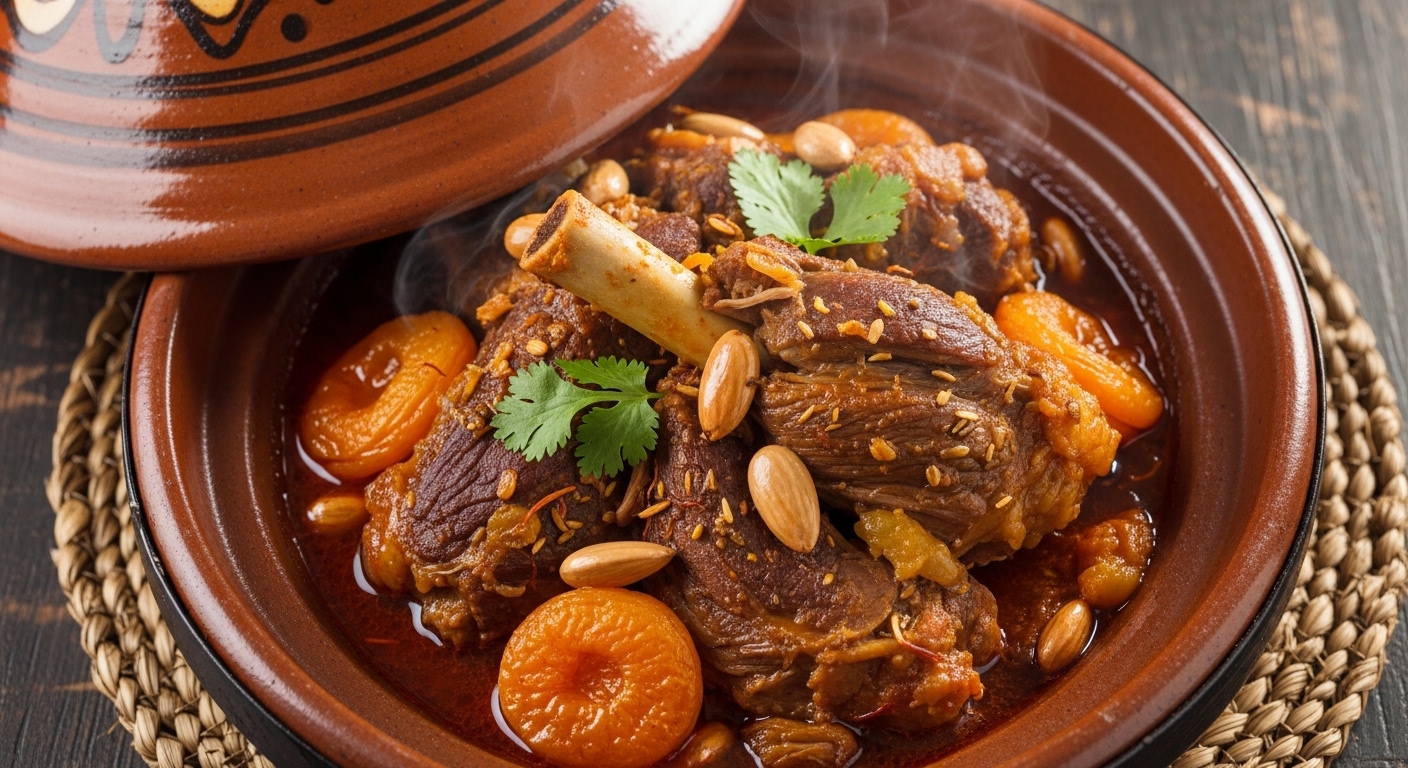
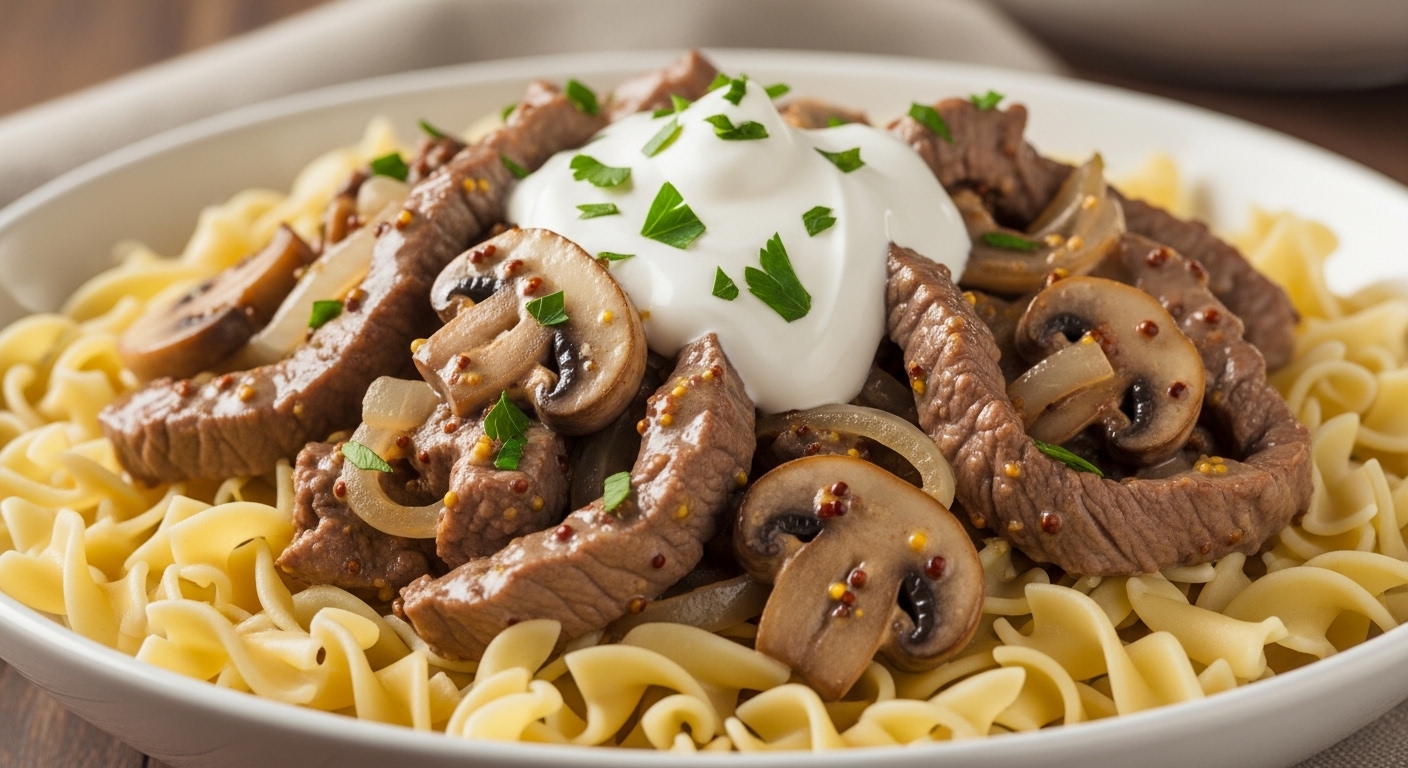
There’s a reason Moroccan tagine has been passed down through generations without anyone feeling the need to reinvent it. It’s one of those rare dishes where the technique is simple—you’re essentially just layering ingredients and letting time do the work—but the result is so deeply complex in flavor that it genuinely impresses people every single time. The lamb becomes impossibly tender, the sauce turns thick and glossy, and the combination of warm spices with sweet dried fruit creates this incredible sweet-savory balance that’s hard to replicate in any other cuisine. If you enjoy slow-cooked, deeply flavored dishes, our Classic Beef Stroganoff is another comfort food classic worth trying.
The Story Behind the Tagine
The word “tagine” actually refers to the conical clay pot the dish is traditionally cooked in, not the stew itself. That distinctive cone-shaped lid isn’t just decorative—it serves a real purpose. As steam rises from the simmering stew, it hits the cooler surface of the cone, condenses, and drips back down into the pot, continuously basting the meat. It’s an elegant piece of engineering that Moroccan cooks have relied on for centuries, long before anyone wrote a cookbook about it.
In Morocco, tagines are an everyday affair. Walk through the medinas of Fez or Marrakech and you’ll smell them simmering from street-side stalls and family kitchens alike. Every region and every family has their own version. In the south, they lean heavier on the sweet-savory combinations—lamb with prunes, chicken with preserved lemons and olives. In the north, the flavors tend to be a bit lighter, with more emphasis on fresh herbs and vegetables. This particular recipe draws from the sweet-savory tradition, pairing lamb with dried apricots and a touch of honey.
You absolutely don’t need a traditional tagine pot to make this. A heavy-bottomed Dutch oven works perfectly. The key is low heat, a tight-fitting lid, and patience. The oven does most of the work here.
Why Lamb Shoulder Works Best
This recipe works best with boneless lamb shoulder. It has just enough intramuscular fat to stay moist through the long braising process, and the connective tissue breaks down into gelatin as it cooks, which gives the sauce that beautiful body and richness you can’t get from leaner cuts. Lamb leg can work in a pinch, but it tends to dry out more easily because it’s leaner, so you’d need to watch it more carefully and possibly reduce the cooking time.
Cut the lamb into generous two-inch chunks. Smaller pieces will fall apart into shreds, which isn’t necessarily bad, but you lose that satisfying moment of cutting into a tender chunk that holds its shape but yields effortlessly to the fork.
Building the Flavor Base
-
Brown the meat: Pat the lamb very dry with paper towels—this matters more than you think. Wet meat steams instead of browning, and browning is where you build the foundation of flavor through the Maillard reaction. Season the lamb generously with salt and pepper, then sear it in batches in hot olive oil until deeply golden on all sides. Don’t crowd the pan—work in two or three batches so every piece gets proper contact with the hot surface. Set the browned meat aside.
-
Cook the aromatics: In the same pot, lower the heat to medium and add the diced onion. Cook for about eight minutes until it’s soft and starting to turn golden. Add the garlic and grated ginger and stir for another minute until fragrant. Now add all the ground spices—cinnamon, cumin, turmeric, coriander, and cayenne. Stir them into the onions and let them toast in the pot for about thirty seconds. You’ll know they’re ready when the kitchen fills with this incredible warm, almost toasty aroma. If you’re using saffron threads, crush them between your fingers and add them here too.
-
Deglaze and build the sauce: Pour in the diced tomatoes and stock, scraping up all the browned bits from the bottom of the pot. Those bits are concentrated flavor. Return the lamb and any accumulated juices to the pot. The liquid should come about two-thirds of the way up the meat—you don’t want the lamb completely submerged because the exposed tops will develop a slightly different texture that adds nice contrast.
-
The long, slow braise: Cover the pot with a tight-fitting lid and transfer it to a 325°F (160°C) oven. Let it cook undisturbed for about one hour and forty-five minutes. Resist the temptation to peek—every time you lift the lid, you lose heat and moisture.
-
Add the sweet elements: After the initial braising time, remove the lid and stir in the dried apricots, honey, and preserved lemon. The apricots will plump up as they absorb the braising liquid, and the honey will meld into the sauce, giving it a subtle sweetness that rounds out the spice beautifully. Return the pot to the oven, uncovered this time, for another thirty to forty-five minutes. Cooking uncovered allows the sauce to reduce and concentrate.
-
Finish and serve: The tagine is ready when the lamb is completely tender and the sauce has thickened to a glossy, spoonable consistency. Taste for seasoning—it usually needs a final hit of salt and sometimes a squeeze of fresh lemon juice to brighten everything up. Scatter the toasted almonds, fresh cilantro, and torn mint leaves over the top just before serving.
Tips for the Best Results
- Toast your own almonds: Buy raw slivered almonds and toast them in a dry skillet over medium heat for three to four minutes, tossing frequently. They go from perfect to burnt in seconds, so don’t walk away. Pre-toasted almonds from the store work but lack the fresh crunch and flavor.
- Preserved lemons: These are a staple in Moroccan cooking and add a unique salty, floral, intensely lemony flavor that fresh lemon juice simply can’t replicate. You can find them at Middle Eastern grocery stores or online. If you can’t find them, use the finely grated zest of one lemon plus a pinch of salt—it’s not identical, but it gets you in the right neighborhood.
- Don’t rush the browning: This is the single most important step for developing deep, complex flavor. Take your time and get a proper dark golden crust on the meat.
- Make it ahead: Like most braises, this actually tastes better the next day after the flavors have had time to meld and deepen in the fridge overnight. Reheat it gently on the stovetop, adding a splash of stock if the sauce has thickened too much.
What to Serve Alongside
The traditional accompaniment is fluffy couscous, and honestly, it’s hard to beat. The tiny grains soak up the sauce beautifully, and the neutral flavor lets the spiced tagine be the star. Prepare the couscous by steaming it with a knob of butter and a handful of fresh herbs stirred in at the end.
Flatbread is another excellent option for scooping up every last bit of sauce. Warm pita or Moroccan msemen bread works perfectly. For a more modern approach, this tagine is also wonderful over a bed of saffron-infused basmati rice or even creamy polenta.
A simple side salad of shaved carrots, orange segments, and mint dressed with olive oil and lemon juice provides a fresh, bright contrast to the rich, warm flavors of the tagine. For another aromatic, spice-forward dinner, our Chicken Tikka Masala offers a different but equally satisfying take on warming spices and tender meat.
My Kitchen Notes
I’ve refined this recipe over many attempts, and a few discoveries have made a real difference. The most important lesson is patience during the browning phase. I used to rush through it, turning the lamb after just a minute or two, but letting each piece develop a deep, dark golden crust for a full 3-4 minutes per side builds a foundation of flavor that you can taste in every bite of the finished dish. Another trick I stumbled onto is adding a small cinnamon stick to the braising liquid along with the ground spices—the slow release of whole cinnamon creates a warmth and complexity that ground cinnamon alone can’t achieve. I also found that adding the apricots about 10 minutes later than the recipe initially suggests gives them a slightly firmer, chewier texture that I prefer over completely soft, mushy fruit. Finally, don’t discard the preserved lemon rind after chopping it—scrape out and discard the pulp, but use every bit of the rind. It’s where all the flavor lives, and it adds an irreplaceable salty, floral note to the finished sauce.
Common Mistakes to Avoid
- Not browning the meat thoroughly: This is the most common shortcut, and it costs you deeply. The Maillard reaction during browning creates hundreds of new flavor compounds that form the backbone of the entire dish. Pale, steamed-looking lamb will give you a flat, one-dimensional tagine no matter how long you braise it afterward. Take your time and work in batches.
- Using the wrong cut of lamb: Lamb shoulder is essential because its fat content and connective tissue break down over the long braise, keeping the meat moist and giving the sauce body. Lamb leg is too lean—it will dry out and become stringy over the 2+ hour cooking time. If you can only find leg, reduce the cooking time and check it more frequently.
- Rushing the aromatics: The onions need a full 8 minutes to soften and start caramelizing. Adding the garlic and ginger too early causes them to burn and turn bitter. Follow the timing carefully—onions first, then garlic and ginger, then ground spices for just 30 seconds to bloom them in the oil without scorching.
- Lifting the lid during the braise: Every time you peek, you lose 15-20 minutes’ worth of heat and moisture buildup. The conical shape of a traditional tagine (or the tight seal of a Dutch oven lid) creates a self-basting environment that needs to stay sealed to work. Trust the process and check only when the recipe says to.
- Forgetting the final acid adjustment: After hours of slow cooking with sweet fruit and warm spices, the dish needs a bright hit of acid to balance everything out. A squeeze of fresh lemon juice right before serving transforms the dish from heavy and one-note to vibrant and complex. Taste it without the lemon, then taste it after—you’ll never skip this step again.
Storage & Meal Prep Tips
Moroccan tagine is one of the best meal prep dishes you can make because, like most braises, it tastes even better the next day. The flavors continue to develop and deepen as the dish sits in the fridge. Store it in an airtight container for up to 5 days. Reheat gently on the stovetop over medium-low heat, adding a splash of stock or water if the sauce has thickened too much. Avoid reheating in the microwave if possible—the gentle, even heat of the stovetop preserves the texture of the lamb better.
For freezing, let the tagine cool completely, then portion it into freezer-safe containers leaving about an inch of headspace for expansion. It keeps for up to 3 months in the freezer. Thaw overnight in the fridge before reheating. The apricots may soften a bit more after freezing, but the overall flavor remains excellent. This makes it a perfect dish to batch-cook on a weekend and portion out for weeknight dinners. Serve it over fresh couscous each time and it will feel like a brand-new meal. You can also freeze the braised lamb and sauce separately from the couscous for even better texture when reheating.
Frequently Asked Questions
Do I really need a tagine pot?
No, not at all. While the traditional conical clay pot is beautiful and functional, a heavy-bottomed Dutch oven with a tight-fitting lid works perfectly. The key is low, even heat and a good seal to trap moisture. A Dutch oven is actually more practical for most home cooks since it’s oven-safe at higher temperatures and easier to clean. If you do want to use a tagine on the stovetop, place a heat diffuser underneath to prevent cracking from direct flame contact.
Can I use chicken instead of lamb?
Yes, though the cooking time will be significantly shorter. Bone-in, skin-on chicken thighs work best—they have enough fat to stay moist during braising. Brown the chicken the same way, but reduce the oven time to about 45-50 minutes total. Add the apricots and honey during the last 15 minutes. The result will be lighter than the lamb version but still deeply flavorful with the same sweet-savory balance.
What if I can’t find preserved lemons?
Preserved lemons are a cornerstone of Moroccan cooking, but they can be hard to find depending on your location. The closest substitute is the finely grated zest of one fresh lemon combined with a small pinch of salt. It won’t replicate the fermented, intensely salty complexity, but it adds the brightness the dish needs. You can find preserved lemons at Middle Eastern grocery stores, specialty food shops, or online. Once you open a jar, they keep in the fridge for several months submerged in their brine.
Why is my sauce too thin?
A thin sauce usually means the final uncovered braising stage wasn’t long enough. After adding the apricots and honey, the pot goes back into the oven uncovered for 30-45 minutes—this is when the sauce reduces and concentrates. If it’s still too thin, remove the lid and let it simmer on the stovetop over medium heat until it reaches a spoonable, glossy consistency. The sauce should coat the back of a spoon, not run off it.
Can I make this in a slow cooker?
Absolutely. Brown the lamb and cook the aromatics on the stovetop first—don’t skip this step even in a slow cooker. Transfer everything to the slow cooker and cook on low for 7-8 hours or high for 4-5 hours. Add the apricots, honey, and preserved lemon during the last hour of cooking. The slow cooker produces incredibly tender meat, though you may need to transfer the sauce to a saucepan and reduce it on the stovetop afterward since slow cookers trap moisture rather than allowing evaporation.

About the Author
Makutu Bright
Software engineer, founder of Cracipes, and passionate home cook based in Kumasi, Ghana. BSc from KNUST, trained at AltSchool Africa. Combines food science research with real-world cooking experience to create reliable, well-tested recipes.
View All Recipes & Full Bio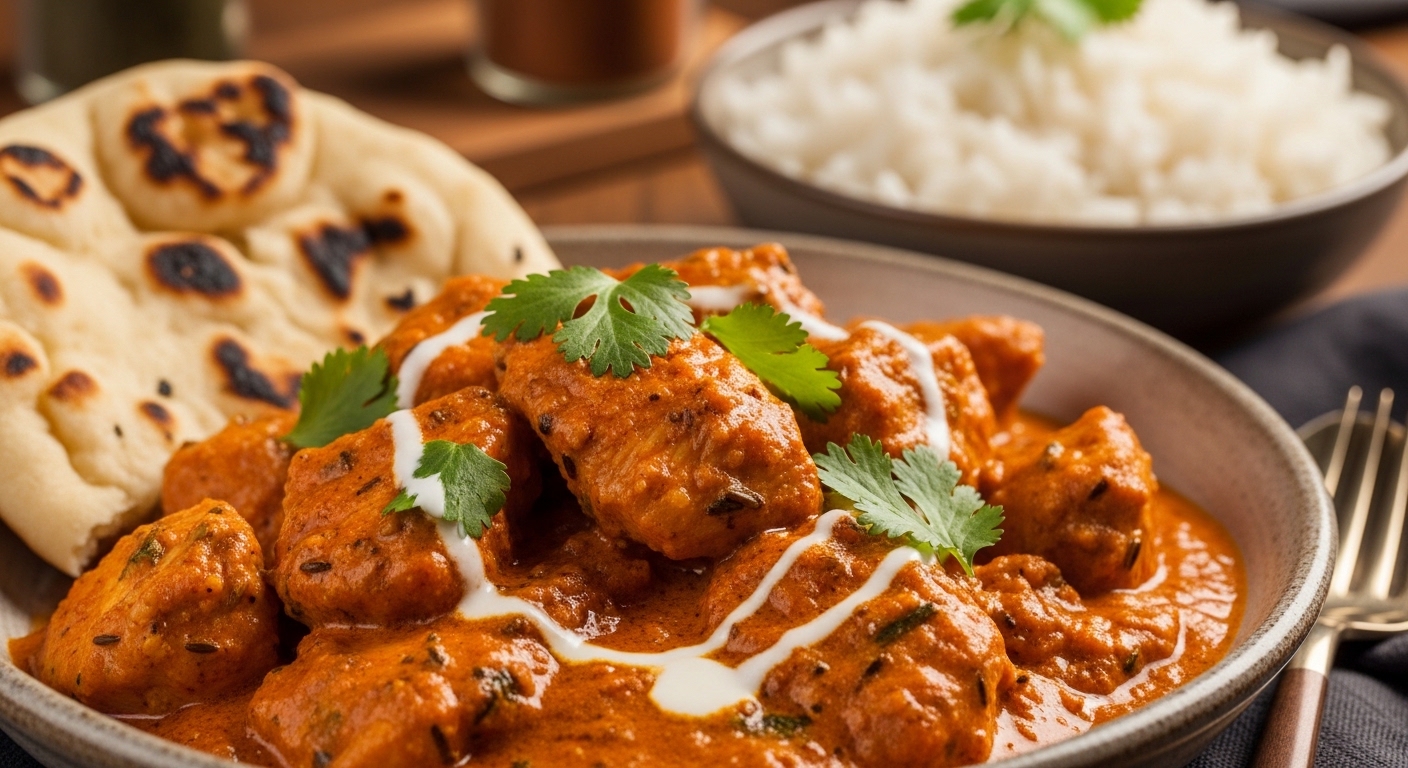
Submission Received!
Your review is in the kitchen being moderated.