Restaurant-Style Chicken Tikka Masala
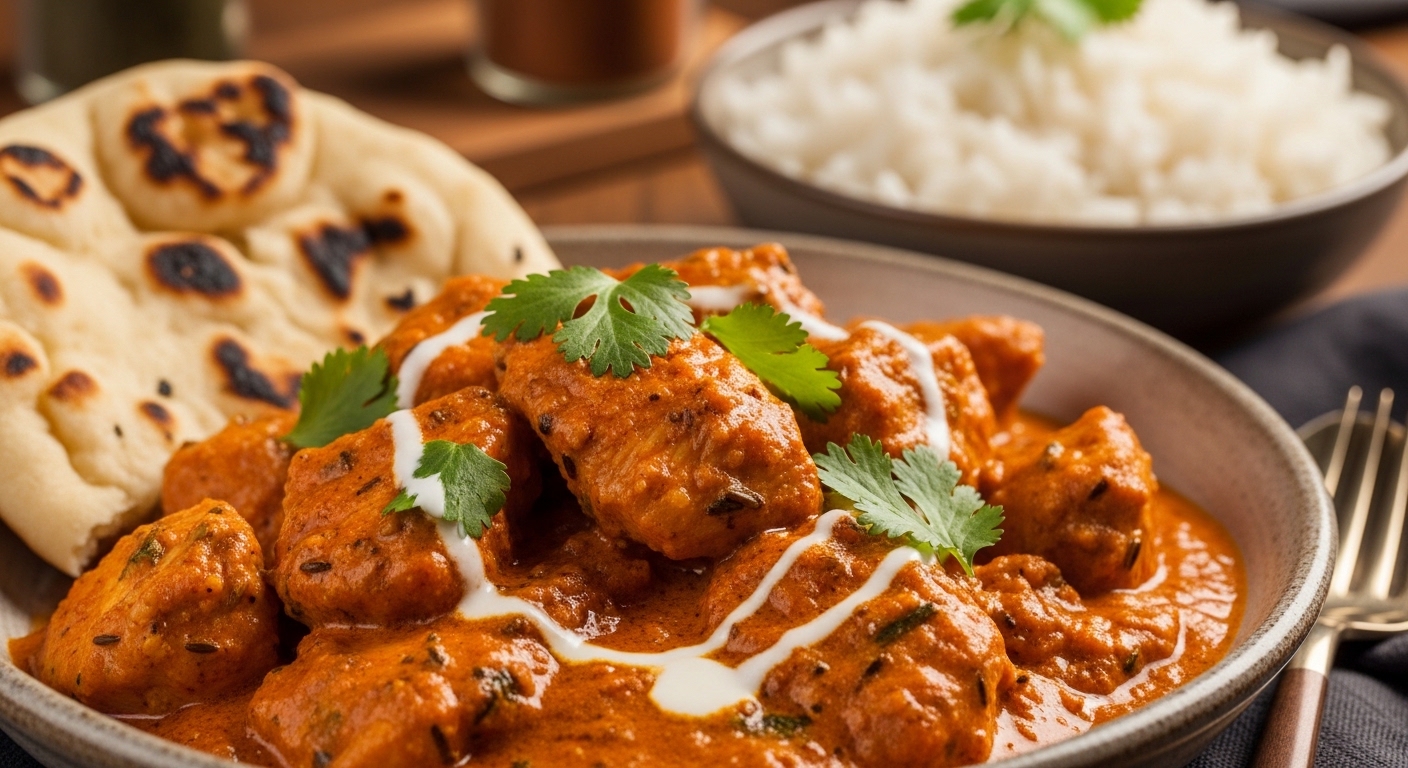
Chicken Tikka Masala holds the interesting distinction of being one of the most beloved dishes in both Britain and South Asia, despite the fact that nobody can quite agree on where it actually comes from. Some historians trace it back to the Punjab region, where tikka (marinated, grilled meat) has been prepared for centuries. Others credit a Bangladeshi chef in Glasgow who, as the story goes, improvised a tomato-cream sauce when a customer complained that his chicken tikka was too dry. The British government has even debated declaring it Britain’s national dish. Wherever it originated, it’s become one of the most popular curry dishes on the planet, and once you taste it made properly, you’ll understand why. If you love bold, spiced dishes, you might also enjoy our Thai Green Curry for another take on an aromatic, creamy curry.
The Marinade is Everything
The difference between mediocre tikka masala and the kind that makes you push your plate back with a deep sigh of satisfaction comes down almost entirely to the marinade. Yogurt is the foundation—its lactic acid gently tenderizes the chicken, and its thick consistency helps the spices cling to every surface. Full-fat yogurt is essential here because low-fat versions are too watery and won’t coat the meat properly.
The spice mix in the marinade does double duty: it seasons the chicken deeply, and when the marinated pieces hit a hot pan or grill, those spices char slightly, creating a smoky complexity that carries through the entire dish. This char is what separates tikka masala from a simple chicken curry. In restaurants, they achieve this with a tandoor oven that reaches temperatures of 900°F. At home, a screaming-hot cast iron skillet or a broiler set to high gets you surprisingly close.
Marinate the chicken for at least two hours, but overnight is ideal. The longer the yogurt and acid have to work on the protein, the more tender and flavorful the chicken will be.
Building the Masala Sauce
-
Char the chicken: Remove the chicken from the marinade and shake off the excess yogurt. Heat a large cast iron skillet or heavy pan over high heat until it’s smoking. Add a thin layer of oil and cook the chicken pieces in a single layer, undisturbed, for three to four minutes per side until they develop dark charred spots. Don’t overcrowd the pan—work in batches if needed. The chicken doesn’t need to be fully cooked through at this point because it’ll finish cooking in the sauce. Set the charred pieces aside.
-
Cook the aromatics: In the same pan (or a separate large saucepan if you prefer a cleaner sauce), reduce the heat to medium and add the butter and remaining oil. Add the diced onion and cook for about eight minutes until it’s soft and golden brown. Add the garlic and ginger and cook for another minute until the raw smell disappears. Now add the ground cumin, remaining paprika, turmeric, garam masala, and cayenne. Stir the spices into the onions and let them toast for about thirty seconds—just long enough for them to release their essential oils and become fragrant without burning.
-
Build the tomato base: Pour in the crushed tomatoes and let the sauce simmer for about fifteen minutes, stirring occasionally, until it thickens and the oil starts to separate from the tomato around the edges of the pan. This separation tells you the tomatoes are properly cooked—raw tomato in a curry gives it a harsh, acidic taste that no amount of cream can fix. Add the sugar to balance the natural acidity of the tomatoes.
-
Add the cream: Stir in the heavy cream and let the sauce simmer gently for another five minutes. The sauce should be a beautiful deep orange color—rich, glossy, and thick enough to coat the back of a spoon. If it’s too thick, add a splash of water to thin it to your preferred consistency. If it’s too thin, let it simmer uncovered for a few more minutes.
-
Combine and finish: Add the charred chicken pieces and any accumulated juices back into the sauce. Let everything simmer together for about five minutes until the chicken is fully cooked through and the flavors have had time to marry. Taste and adjust the seasoning—it usually needs a final hit of salt and potentially a squeeze of lemon juice to brighten things up.
Understanding Garam Masala
Garam masala is the signature spice blend of North Indian cooking, and it varies from household to household. The name translates to “warm spice mix,” and it typically includes cinnamon, cardamom, cloves, black pepper, cumin, and coriander—all toasted and ground together. Unlike curry powder, which is added early in cooking to bloom in oil, garam masala is often added toward the end of cooking or used as a finishing spice to preserve its aromatic qualities.
If you can, make your own garam masala by toasting whole spices in a dry pan and grinding them yourself. The difference in freshness and potency is remarkable. Store-bought garam masala works fine, but it tends to lose its aromatic punch quickly once opened. Buy it in small quantities from stores with high turnover, and store it in an airtight container away from heat and light.
Tips for Restaurant-Quality Results
- Use chicken thighs, not breasts: Thighs have more fat, which means more flavor and a much more forgiving texture. They stay juicy even if you slightly overcook them, which is inevitable when you’re charring them at high heat.
- Don’t skip the charring step: It’s tempting to just poach the chicken in the sauce, but the charred, smoky exterior is the whole identity of tikka masala. Without it, you have a good curry, but not tikka masala.
- Kashmiri chili powder: If you can find it, substitute the paprika with Kashmiri chili powder. It’s what gives restaurant tikka masala its vibrant red color without excessive heat. It has a mild, fruity warmth that’s perfect for this dish.
- Finishing touch: Before serving, add a final swirl of cream on top and a generous handful of fresh cilantro. A pinch of dried fenugreek leaves (kasuri methi), crushed between your palms before sprinkling, adds an intensely aromatic, slightly bitter note that’s the secret ingredient in many restaurant versions.
What to Serve It With
Warm naan bread is the traditional accompaniment—there’s nothing quite like tearing off a piece of soft, pillowy naan and using it to scoop up that rich, creamy sauce. If you’re making naan at home, brush it with garlic butter as soon as it comes off the pan. For another creamy, crowd-pleasing chicken dinner, try our Creamy Tuscan Chicken.
Basmati rice is another excellent option, especially if you cook it with a couple of cardamom pods, a bay leaf, and a cinnamon stick for extra fragrance. The long, slender grains stay separate and fluffy, providing the perfect neutral base that lets the complex sauce take center stage.
A cooling raita—yogurt mixed with grated cucumber, a pinch of cumin, and fresh mint—provides a refreshing contrast to the rich, spiced curry and helps temper the heat.
My Kitchen Notes
After making this recipe dozens of times, I’ve picked up a few tricks that take it from good to genuinely restaurant-quality. The single biggest game-changer was learning to let the chicken come to room temperature for about 20 minutes before charring it. Cold chicken straight from the fridge drops the pan temperature and causes it to steam rather than develop those beautiful charred spots. I also discovered that adding the garam masala in two stages—half during the sauce cooking and half right at the end as a finishing spice—creates a much more layered, complex flavor than adding it all at once. The early addition blooms in the oil and builds depth, while the late addition hits your nose with a burst of fresh aroma right before you take your first bite. One more thing: I always make a double batch of the sauce and freeze half without the chicken. On busy weeknights, I just thaw the sauce, char some fresh chicken, and dinner is on the table in 20 minutes.
Common Mistakes to Avoid
- Skipping the marinade time: Two hours is the absolute minimum, and even that won’t give you the deepest flavor. The yogurt and lemon juice need time to penetrate the chicken and tenderize it. If you can manage it, marinate overnight in the fridge—the difference in tenderness and flavor is dramatic.
- Overcrowding the pan when charring: This is the most common mistake. When chicken pieces are too close together, they release steam instead of searing, and you lose the charred, smoky exterior that defines tikka masala. Work in batches and give each piece room to breathe against the hot surface.
- Using low-fat yogurt in the marinade: Full-fat yogurt isn’t just a preference—it’s essential. Low-fat yogurt is too watery and won’t cling to the chicken properly, resulting in a thin coating that slides off during cooking. The fat in full-fat yogurt also helps carry the fat-soluble flavors from the spices deeper into the meat.
- Adding cream too early: The cream should go in only after the tomato sauce has fully cooked and the oil has separated. Adding cream to an undercooked tomato base results in a pale, bland sauce with a raw acidic taste. Let the tomatoes do their thing first.
- Not adjusting seasoning at the end: Tikka masala almost always needs a final squeeze of lemon juice and a pinch of salt right before serving. The acid brightens the heavy cream sauce and makes all the individual spice flavors pop. Taste it—you’ll be surprised how much of a difference that last adjustment makes.
Storage & Meal Prep Tips
Chicken Tikka Masala stores exceptionally well, making it a fantastic meal prep candidate. Let the finished dish cool completely, then transfer it to an airtight container. It keeps in the fridge for up to 4 days—the flavors actually deepen and improve over the first couple of days as the spices meld into the sauce. Reheat gently on the stovetop over medium-low heat, stirring occasionally. If the sauce has thickened too much in the fridge, add a splash of cream or water to loosen it back up.
For freezing, store the sauce and chicken together in freezer-safe containers for up to 3 months. Thaw overnight in the fridge before reheating. The cream may separate slightly during freezing, but stirring it vigorously over low heat brings it back together without any quality loss. You can also freeze just the marinated raw chicken in zip-top bags for up to 3 months—thaw in the fridge overnight, then char and proceed with the recipe as written. For meal prep lunches, portion the tikka masala over basmati rice in individual containers. It reheats beautifully in the microwave in about 2-3 minutes.
Frequently Asked Questions
Can I use chicken breasts instead of thighs?
You can, but you’ll sacrifice flavor and moisture. Chicken thighs have more fat, which keeps them juicy through the high-heat charring process. If you only have breasts on hand, pound them to an even thickness and be extra careful not to overcook them—they go from perfectly done to dry and rubbery very quickly. Cut them slightly smaller than you would thighs to reduce the cooking time.
Is there a way to make this less spicy?
Absolutely. The heat in this recipe comes primarily from the cayenne pepper, so reducing or omitting it will give you a milder dish without losing the complex spice flavors. The garam masala, cumin, and turmeric provide warmth without significant heat. You can also increase the cream slightly to mellow out the spice further. For kids or heat-sensitive eaters, try halving the cayenne and adding an extra tablespoon of butter at the end.
Can I make this in a slow cooker?
Yes, though you’ll lose the crucial charring step unless you char the chicken separately first. Sear the marinated chicken in a hot skillet, then transfer everything to the slow cooker with the sauce ingredients. Cook on low for 3-4 hours or high for 2 hours. The chicken will be incredibly tender, but I recommend charring it separately beforehand to maintain that authentic tikka flavor and texture.
What’s the difference between tikka masala and butter chicken?
They’re related but distinct dishes. Butter chicken (murgh makhani) uses a smoother, more refined tomato-butter sauce and the chicken is typically tandoori-marinated without the heavy char. Tikka masala tends to have a chunkier sauce with more visible onion and garlic, and the charring on the chicken is more pronounced. Butter chicken is also generally milder and sweeter, while tikka masala has a bolder, more robust spice profile. Both are delicious—think of them as cousins rather than twins.
Can I substitute the yogurt with something else?
Greek yogurt is the best substitute if you don’t have plain yogurt—it’s thicker and works even better for coating the chicken. Sour cream can work in a pinch, but it’s richer and may make the marinade heavier than intended. Avoid using buttermilk; it’s too thin and acidic, which can make the chicken texture slightly mushy if marinated too long. Coconut yogurt works for a dairy-free version, though it adds a subtle coconut flavor that changes the profile slightly.

About the Author
Makutu Bright
Software engineer, founder of Cracipes, and passionate home cook based in Kumasi, Ghana. BSc from KNUST, trained at AltSchool Africa. Combines food science research with real-world cooking experience to create reliable, well-tested recipes.
View All Recipes & Full Bio
Submission Received!
Your review is in the kitchen being moderated.