The Ultimate Dreamy Creamy Chicken Alfredo
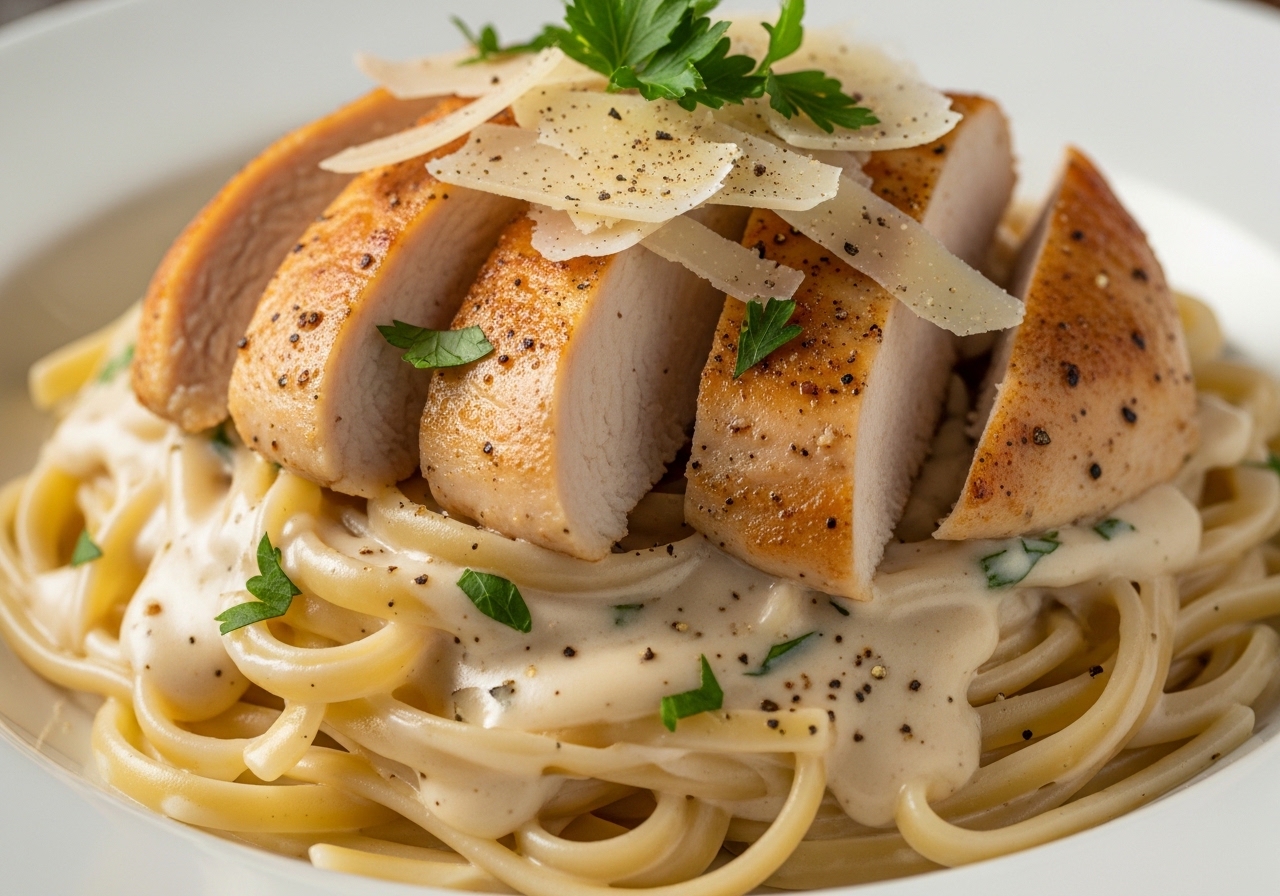
Irresistible Comfort in Every Bite
There is something undeniably magical about a plate of classic Creamy Chicken Alfredo. It’s the kind of dish that feels like a warm hug at the end of a long day—indulgent, comforting, and deeply satisfying. Imagine silky, golden ribbons of pasta draped in a velvety, white-gold sauce, topped with succulent pieces of perfectly seared chicken.
Whether you’re craving a cozy night in or planning a sophisticated dinner for guests, this restaurant-style staple brings that luxurious Italian-inspired steakhouse vibe straight to your kitchen. The aroma of garlic sautéing in butter alone is enough to make anyone stop in their tracks. This is the kind of meal that draws everyone to the kitchen, peeking over your shoulder and asking when dinner will be ready. If you’re a fan of creamy, comforting dishes, you’ll also love our Creamy Garlic Mushroom Chicken, which features a rich, velvety sauce with earthy mushrooms.
The Origins of Alfredo
The story of Fettuccine Alfredo begins in Rome in the early 1900s, where a restaurateur named Alfredo di Lelio created the dish for his wife, who had lost her appetite during pregnancy. The original recipe was remarkably simple: just butter, Parmesan cheese, and pasta water tossed together until emulsified into a silky coating. When Hollywood stars Douglas Fairbanks and Mary Pickford visited his restaurant during their honeymoon in Rome in 1927, they fell in love with the dish and brought the recipe back to America. From there, Alfredo became a household name, and the American version evolved to include cream, garlic, and protein additions like chicken. While Italian purists might raise an eyebrow at the cream-laden version, there is no denying that it has become one of the most beloved comfort foods in the world.
The Essence of the Dish
At its heart, this dish is a masterclass in textures. We start with tender, juicy chicken—pan-seared until golden brown on the outside and moist on the inside. Then comes the star of the show: a luxurious, velvety Alfredo sauce. This isn’t just a sauce; it’s a smooth, rich coating that clings to every strand of pasta.
The finish is high-gloss and decadent, thanks to the marriage of high-quality butter, heavy cream, and sharp, nutty Parmesan cheese. Every forkful is a perfect balance of savory protein and creamy bliss. The key to getting that restaurant-quality finish is patience and the right technique, which we will walk through step by step.
The Art of the Perfect Alfredo
The process of creating this masterpiece is as beautiful as the final result. It begins with the sizzle of the chicken hitting the pan, developing that essential crust that locks in flavor. Once the chicken is set aside, the pan becomes the birthplace of the sauce.
Building the cream sauce is a rhythmic process. You’ll watch as the butter melts into the minced garlic, releasing a fragrance that fills the entire house. As the heavy cream is poured in and begins to simmer, you slowly whisk in the Parmesan cheese, watching it transform from a liquid into a thick, glossy velvet. Finally, the pasta is tossed directly into the sauce, swirling and twirling until every inch is perfectly coated.
One critical technique that separates good Alfredo from great Alfredo is the use of starchy pasta water. Before you drain your fettuccine, always reserve at least one cup of the cooking water. This cloudy, starch-rich liquid is the secret ingredient that helps the sauce emulsify and cling to the pasta rather than pooling at the bottom of the bowl. Add it a tablespoon at a time while tossing the pasta in the sauce until you reach the perfect consistency.
Step-by-Step Instructions
- Cook the Pasta: Bring a large pot of heavily salted water to a rolling boil. Cook the fettuccine according to package directions until al dente. Reserve one cup of pasta water before draining. The salt in the water seasons the pasta from the inside out, so do not skip this step.
- Sear the Chicken: While the pasta cooks, season the sliced chicken breasts with salt, pepper, and a pinch of Italian seasoning. Heat a tablespoon of olive oil in a large skillet over medium-high heat. Sear the chicken for about four minutes per side until golden brown and cooked through. Transfer to a plate and tent with foil to keep warm.
- Build the Sauce: In the same skillet, melt the butter over medium heat. Add the minced garlic and cook for about one minute until fragrant. Pour in the heavy cream and bring to a gentle simmer. Let it cook for three to four minutes, stirring occasionally, until it begins to thicken.
- Add the Cheese: Remove from heat and stir in the grated Parmesan cheese in two batches, stirring until each addition melts completely. The sauce should be smooth, glossy, and thick enough to coat the back of a spoon.
- Combine Everything: Add the drained pasta directly to the sauce and toss vigorously, adding splashes of reserved pasta water as needed to achieve a creamy, pourable consistency. Slice the chicken and arrange it on top. Garnish with chopped parsley and an extra sprinkle of Parmesan.
Why This Dish Is a Forever Favorite
Why does Chicken Alfredo remain one of the most saved and shared recipes of all time? It’s simple: it’s the ultimate crowd-pleaser. It strikes the perfect chord between being an easy weeknight savior and an elegant, special-occasion centerpiece. It’s filling, soul-warming, and feels like a splurge without needing a reservation. Plus, the neutral, creamy base makes it a canvas for almost any flavor profile you’re in the mood for. Children love it for its mild, cheesy flavor, while adults appreciate the richness and the satisfying way it pairs with a glass of crisp white wine.
Get Creative: Customization & Variations
While the classic version is perfection, there’s plenty of room to make this dish your own with some creative twists:
- Garden Greenery: Add a pop of color and freshness with steamed broccoli florets, sautéed spinach, or tender peas. The vegetables add nutritional value and a pleasant textural contrast to the creamy sauce.
- The Mushroom Twist: Sauté some cremini or shiitake mushrooms in the butter for an earthy, umami depth that makes the dish taste even more complex and restaurant-quality.
- A Hint of Heat: Sprinkle a pinch of red pepper flakes into the sauce for a subtle kick that cuts through the richness. You can also add a dash of cayenne pepper to the chicken seasoning.
- Gourmet Garnish: A light grating of fresh nutmeg or a zest of lemon can elevate the creaminess to a whole new level of sophistication. Nutmeg is a classic Italian addition to cream sauces, and the lemon zest brightens the entire dish.
- Protein Swap: Try this with shrimp instead of chicken for a seafood version that cooks even faster. Large, tail-on shrimp seared until pink and slightly charred are absolutely stunning over the creamy pasta.
- Bacon Addition: Cook some diced pancetta or bacon before building the sauce, and use the rendered fat as part of the base. The smoky, salty flavor takes the richness to another level entirely.
Serving & Presentation for the Perfect Plate
To truly capture the “irresistible” factor, presentation is key. When plating, use a pair of tongs to create elegant pasta twirls in the center of the bowl. Lay the sliced chicken across the top to showcase its golden sear.
For a photograph-worthy finish:
- Garnish Generously: A shower of freshly chopped parsley and an extra dusting of Parmesan cheese add texture and life to the plate.
- Crusty Additions: Serve with a side of warm, garlic-rubbed baguette to soak up every last drop of that liquid gold sauce.
- Wine Pairing: A chilled glass of Pinot Grigio, Chardonnay, or even a light Sauvignon Blanc complements the richness of the cream sauce beautifully without overwhelming it.
- Bowl Selection: Serve in a wide, shallow bowl rather than a flat plate. The bowl keeps the sauce pooled around the pasta rather than spreading thin, maintaining that luxurious look and feel.
This is the kind of meal that draws everyone to the table and has them reaching for seconds before the first plate is even finished.
My Kitchen Notes
I’ve made this dish more times than I can count, and a few things have become clear. First, reserving pasta water is absolutely non-negotiable—it’s the secret weapon that transforms a decent Alfredo into a truly restaurant-quality one. I always add it one tablespoon at a time until the sauce reaches that perfect coating consistency. Second, I’ve found that using freshly grated Parmesan instead of pre-shredded makes a dramatic difference in both texture and flavor. Pre-shredded cheese contains anti-caking agents that can make the sauce gritty. Third, I like to let the cream reduce a bit longer than most recipes suggest—it concentrates the flavor and creates a thicker, more luxurious sauce that clings to every strand of pasta. Finally, a tiny pinch of freshly grated nutmeg, which I added on a whim one night, has become a permanent addition to my recipe. It enhances the creaminess without being detectable as a separate flavor.
Common Mistakes to Avoid
- Using pre-grated Parmesan cheese. The anti-caking agents prevent proper melting, resulting in a grainy sauce. Always grate your own from a block of Parmigiano-Reggiano.
- Skipping the pasta water. This starchy liquid is essential for emulsifying the sauce and helping it cling to the pasta. Without it, you’ll have sauce pooling at the bottom of the bowl.
- Overcooking the chicken. Thinly sliced chicken breasts cook quickly—about four minutes per side. Overcooking makes them dry and rubbery, which ruins the whole dish.
- Adding cheese over high heat. If the pan is too hot when you add Parmesan, the cheese can seize and clump. Remove from heat or keep it at the lowest setting when incorporating the cheese.
- Using low-fat cream or milk. The fat in heavy cream is what creates the rich, velvety texture. Substitutes will produce a thin, watery sauce that won’t coat the pasta properly.
Storage & Meal Prep Tips
Store leftover chicken Alfredo in an airtight container in the refrigerator for up to 3-4 days. The pasta will absorb some of the sauce as it sits, so when reheating, add a splash of cream or reserved pasta water to restore the creamy consistency. Reheat gently in a skillet over medium-low heat, stirring frequently, rather than microwaving, which can cause the sauce to separate. This dish doesn’t freeze particularly well due to the cream-based sauce, which can become grainy upon thawing. For meal prep, consider storing the cooked chicken and sauce separately from the pasta, and combine when ready to serve.
Frequently Asked Questions
Can I use a different type of pasta?
Of course! While fettuccine is the traditional choice and its wide, flat shape holds the sauce beautifully, you can use any pasta you like. Penne, linguine, or even rigatoni work well. The key is choosing a shape with enough surface area and texture to catch and hold the creamy sauce.
What’s the best chicken cut for Alfredo?
Boneless, skinless chicken breasts are the standard because they’re mild-flavored and take on the sauce well. Slice them horizontally into cutlets or pound them to even thickness for quick, even cooking. You can also use chicken tenders for convenience—they cook even faster.
Can I make this without garlic?
Yes, though garlic adds a wonderful aromatic depth to the sauce. If you’re not a fan of garlic, you can simply omit it or replace it with a small amount of garlic-infused oil for a milder flavor. The dish will still be creamy and delicious.
How do I keep the sauce from getting too thick?
If your Alfredo sauce is too thick, add reserved pasta water one tablespoon at a time and stir until you reach the desired consistency. The starch in the pasta water helps maintain the emulsion while loosening the sauce. You can also add a splash of cream to thin it out without diluting the flavor.

About the Author
Makutu Bright
Software engineer, founder of Cracipes, and passionate home cook based in Kumasi, Ghana. BSc from KNUST, trained at AltSchool Africa. Combines food science research with real-world cooking experience to create reliable, well-tested recipes.
View All Recipes & Full Bio
Submission Received!
Your review is in the kitchen being moderated.