Hearty Classic Beef Stroganoff
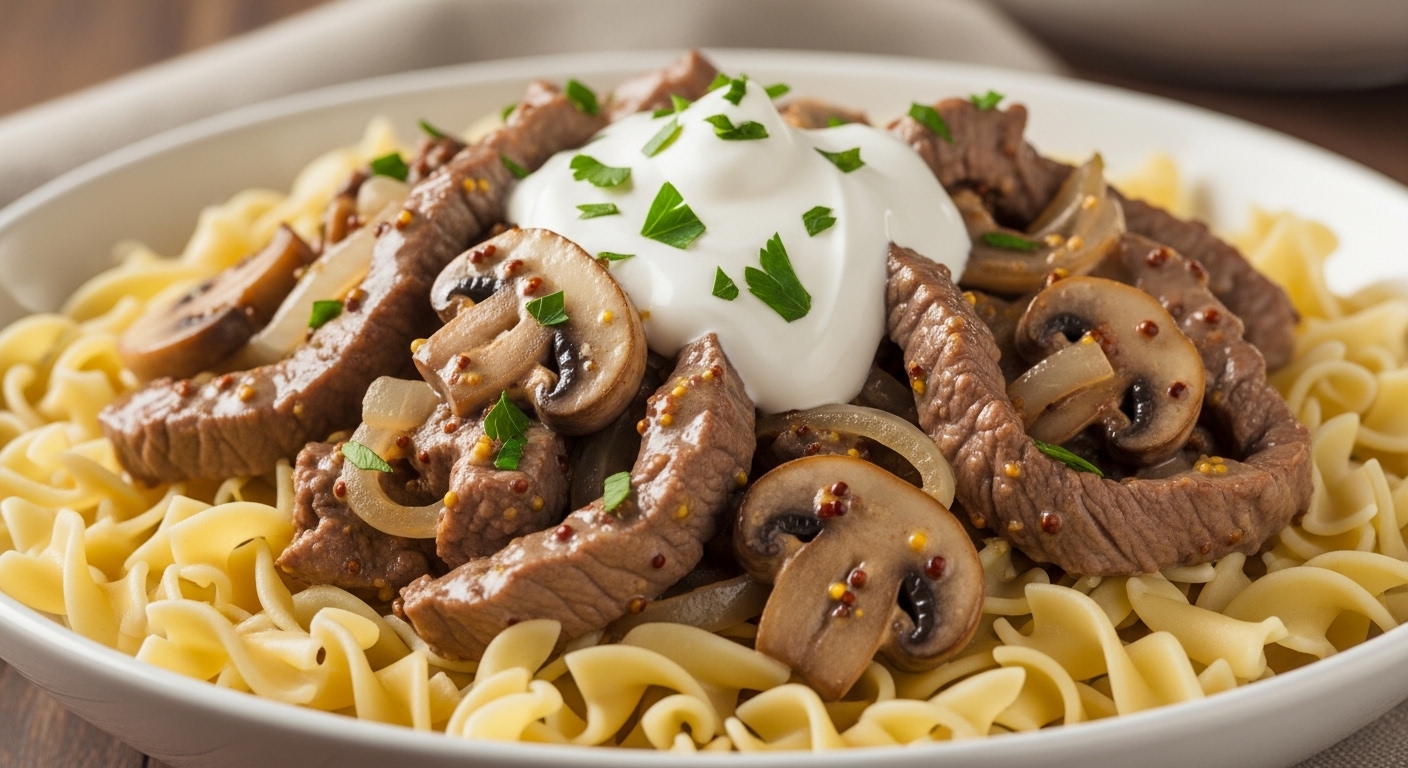
Beef Stroganoff is one of those dishes that somehow manages to feel both deeply old-fashioned and completely timeless at the same time. It’s been a staple of home cooking in America since the 1950s, when it became a dinner party favorite, but its roots go back much further—to nineteenth-century Russia, where it was a dish of aristocratic kitchens. The original version, named after the wealthy Stroganov family, was simpler than what we know today: sautéed beef in a mustard and sour cream sauce. Mushrooms, onions, and the rich gravy-like sauce were additions that evolved over the decades as the dish traveled across Europe and eventually to American home kitchens.
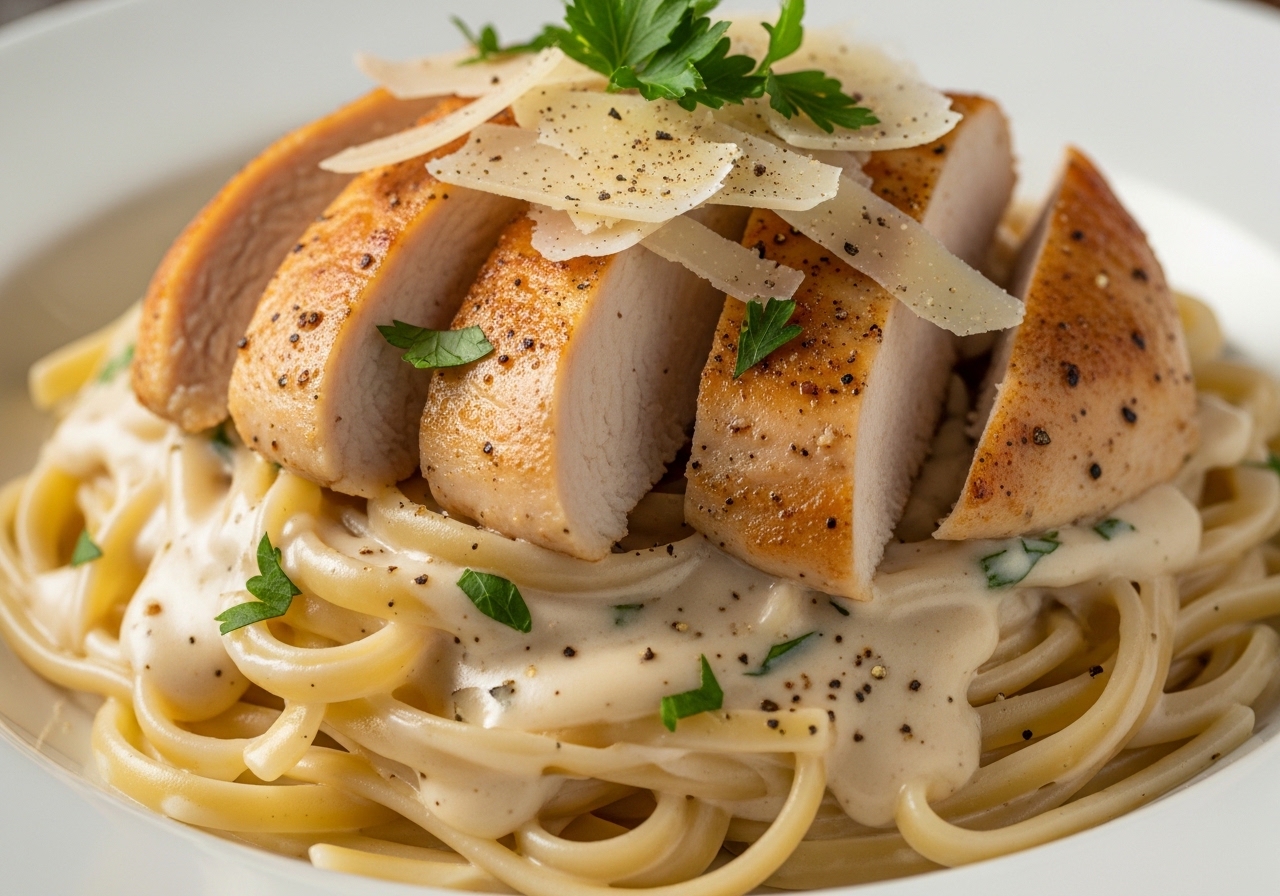
What makes a great stroganoff is the quality and treatment of the beef. The meat should be tender enough to cut with a fork, seared with a deep, dark crust, and coated in a sauce that’s rich and velvety without being gluey or overly thick. The sour cream should add tang and body, not graininess—and that’s a detail that trips up a lot of home cooks. For another creamy, comforting classic, check out our Creamy Chicken Alfredo, which uses a similar technique of building a rich sauce from scratch.
Choosing and Preparing the Beef
Beef tenderloin is the traditional choice and produces the most tender results, but it’s expensive. A good alternative is top sirloin—it’s leaner than tenderloin and slightly chewier, but when sliced thin against the grain and seared quickly over high heat, it’s excellent. The key is avoiding cuts with a lot of connective tissue, like chuck or round, unless you’re willing to braise them for a long time. Stroganoff is a quick-cooking dish, so you need a naturally tender cut.
Slice the beef into strips about a quarter-inch thick and two to three inches long. Cutting against the grain is critical—it shortens the muscle fibers, making each piece noticeably more tender when you bite into it. If the beef is slightly frozen (about thirty minutes in the freezer), it’s much easier to slice thinly and evenly.
Season the strips generously with salt and pepper. Resist the urge to add flour at this stage—some old recipes call for dredging the beef in flour before searing, but this creates a pasty coating that absorbs oil and prevents proper browning. The flour goes into the sauce later.
The Cooking Process
-
Sear the beef: This step is everything. Heat a large, heavy skillet (cast iron is ideal) over high heat until it’s smoking. Add one tablespoon of oil and half a tablespoon of butter. Working in small batches—no more than a quarter of the beef at a time—cook the strips for about forty-five seconds per side until they develop a deep, dark brown crust. The pan needs to be genuinely hot, and the beef needs space between the pieces. Overcrowding the pan drops the temperature and causes the meat to steam in its own juices instead of searing. Transfer each batch to a plate as it’s done. The beef should be rare at this point—it will finish cooking when it goes back into the sauce.
-
Cook the mushrooms: Without cleaning the pan, add another tablespoon of butter and the sliced mushrooms. Don’t stir them for the first two to three minutes—let them sit in contact with the hot surface to develop a golden-brown sear. Once they’ve browned on one side, toss them and cook for another two minutes. Season with salt.
-
Build the sauce base: Add the sliced onion to the mushrooms and cook for about five minutes until softened and lightly golden. Add the garlic and cook for one minute. Stir in the tomato paste—it adds a subtle depth and color to the sauce—and cook for another thirty seconds until it darkens slightly. Sprinkle the flour over the vegetables and stir for about one minute to cook off the raw taste.
-
Deglaze and simmer: Pour in the white wine and scrape up all the browned bits from the bottom of the pan. Let the wine reduce by about half—about two minutes. Add the beef stock, Worcestershire sauce, and Dijon mustard. Bring to a simmer and cook for about eight to ten minutes until the sauce thickens enough to coat the back of a spoon.
-
Add the sour cream: This is the step where most stroganoff recipes go wrong. If you add sour cream to a boiling sauce, it will curdle and turn grainy. The proteins in sour cream are sensitive to high heat—they seize up and separate. To prevent this, remove the pan from the heat entirely before stirring in the sour cream. Let it sit for about one minute to cool slightly, then stir in the sour cream until the sauce is smooth and uniformly creamy. Return the pan to low heat—just enough to keep everything warm—but do not let it boil again.
-
Return the beef: Add the seared beef strips and any juices that collected on the plate back into the sauce. Gently fold them in and let everything warm through for about two minutes. Taste the sauce and adjust the seasoning. It often needs a final hit of salt and maybe a touch more mustard to sharpen the flavors.
The Sour Cream Question
Full-fat sour cream is non-negotiable here. Low-fat and fat-free versions contain stabilizers and have less fat to emulsify into the sauce, which means they’re even more prone to curdling and produce a thinner, less satisfying result. Crème fraîche is an excellent alternative if you have it—it’s higher in fat than sour cream, which makes it even more stable in hot sauces, and it has a slightly more refined, less tangy flavor.
Another trick to prevent curdling: temper the sour cream before adding it. Spoon a few tablespoons of the hot sauce into the sour cream and stir to warm it gradually. This brings the sour cream’s temperature up slowly so it doesn’t shock when it meets the hot sauce.
What to Serve it Over
The classic American pairing is wide egg noodles, and it’s a perfect match. The broad, slightly chewy noodles catch the sauce beautifully in their curves and folds. Buttered egg noodles—tossed with a knob of butter and a sprinkle of fresh dill or parsley—are hard to beat.
For a more traditional Russian approach, serve it over mashed potatoes. The creamy potatoes and the rich sauce together are pure comfort food, and the potatoes do a better job of absorbing every last bit of sauce from the plate. Rice pilaf is another excellent option that keeps things lighter.
Pro Tips
- Don’t overcook the beef: This is the single most common mistake. The beef should be medium-rare after searing and gently brought to medium when it’s warmed through in the sauce. Overcooked stroganoff beef is tough and chewy—the opposite of what you want.
- Toast the mushrooms properly: Golden-brown mushrooms add a savory depth that pale, steamed ones simply don’t. Give them space and heat, and resist the urge to stir too early.
- Make-ahead notes: You can make the sauce with mushrooms up to a day ahead and refrigerate it. Sear the beef and add the sour cream when you reheat, so the meat stays tender and the cream stays smooth.
- Fresh dill is the traditional garnish: Its bright, slightly anise-like flavor cuts through the richness of the sauce beautifully. Fresh parsley works too, but dill is the authentic touch.
My Kitchen Notes
The single most important lesson I’ve learned making stroganoff is to treat the beef with respect. I always take the time to freeze the meat for 30 minutes before slicing—it makes getting those thin, even strips so much easier. I’ve also discovered that using a cast-iron skillet for searing makes a world of difference; the heat retention gives the beef a deeper, darker crust that a thin pan just can’t achieve. When it comes to the sauce, I’ve found that adding the Dijon mustard at the end, rather than during cooking, preserves its bright tang and gives the dish a more pronounced flavor. One unexpected trick I picked up is stirring a teaspoon of tomato paste into the mushroom and onion mixture—it deepens the color and adds a subtle richness that people can’t quite identify but always love. And please, always let the pan cool slightly before adding the sour cream. I learned this the hard way when my first batch curdled into a grainy mess.
Common Mistakes to Avoid
- Overcooking the beef. This is the number one mistake. The strips should be seared quickly over high heat and removed while still rare. They’ll finish cooking in the warm sauce. Overcooked beef turns tough and chewy.
- Adding sour cream to boiling sauce. High heat causes the proteins in sour cream to curdle and separate, resulting in a grainy sauce. Always remove the pan from heat before stirring in the sour cream.
- Using low-fat sour cream. The fat content is essential for a smooth, stable emulsion. Low-fat versions contain stabilizers that cause curdling and produce a thinner, less flavorful sauce.
- Crowding the pan when searing beef. The meat needs space between pieces to develop a proper sear. Overcrowding causes steaming, which gives you gray, rubbery strips instead of golden-brown ones.
- Slicing with the grain instead of against it. Always cut the beef against the grain to shorten the muscle fibers. This makes each bite noticeably more tender.
Storage & Meal Prep Tips
Store leftover beef stroganoff in an airtight container in the refrigerator for up to 3-4 days. Reheat gently over medium-low heat, adding a splash of beef broth or cream to loosen the sauce if it has thickened. Avoid boiling the reheated dish, as this can cause the sour cream to separate. For meal prep, you can prepare the sauce with mushrooms and onions up to a day ahead and refrigerate it. Sear the beef fresh when you’re ready to serve, then stir it into the reheated sauce along with the sour cream. This keeps the meat tender and the sauce smooth. Stroganoff freezes reasonably well for up to 2 months, though the sour cream texture may change slightly upon thawing.
Frequently Asked Questions
Can I use ground beef instead of steak strips?
You can, though it changes the dish significantly. Ground beef stroganoff is a popular weeknight variation that’s faster and more budget-friendly. Brown the ground beef, drain the fat, and proceed with the recipe as written. The result is more of a hearty, saucy meat dish than the traditional strip-beef version.
What can I substitute for sour cream?
Crème fraîche is the best alternative—it’s higher in fat, more stable in hot sauces, and has a milder, more refined flavor. Full-fat plain Greek yogurt can work in a pinch, though it has a tangier taste and is more prone to curdling. Always stir yogurt in off the heat.
Can I make stroganoff ahead of time?
Yes, and it often tastes even better the next day as the flavors meld. Prepare the sauce and beef separately, refrigerate them, and combine when ready to serve. Add the sour cream fresh when reheating for the smoothest result.
What’s the best cut of beef for stroganoff?
Beef tenderloin produces the most tender results but is expensive. Top sirloin is an excellent, more affordable alternative that’s lean and flavorful when sliced thin against the grain. Avoid tough cuts like chuck or round unless you’re braising them for a long time.

About the Author
Makutu Bright
Software engineer, founder of Cracipes, and passionate home cook based in Kumasi, Ghana. BSc from KNUST, trained at AltSchool Africa. Combines food science research with real-world cooking experience to create reliable, well-tested recipes.
View All Recipes & Full Bio
Submission Received!
Your review is in the kitchen being moderated.