One-Pan Creamy Lemon Chicken
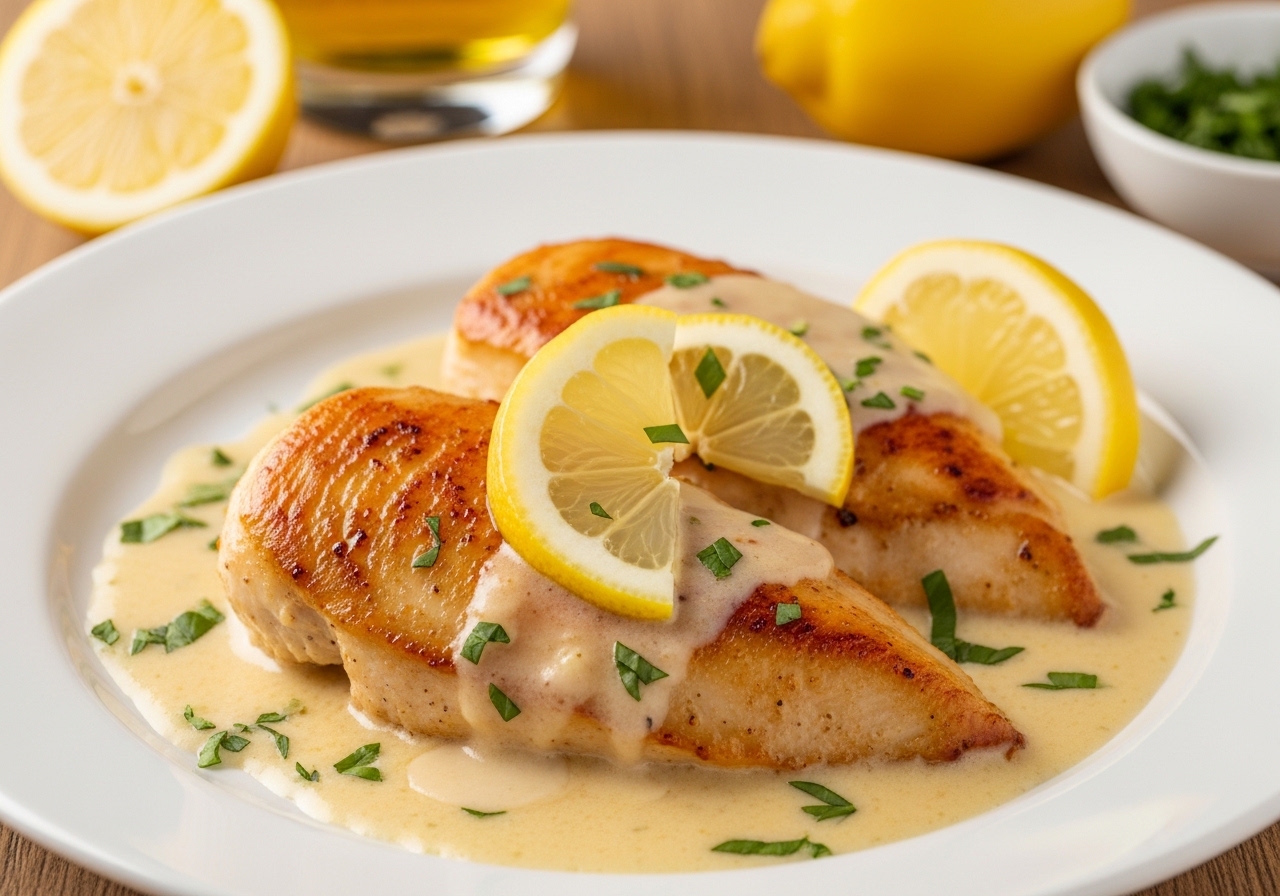
If you’re looking for a dinner that feels a bit fancy but is actually incredibly easy to pull off on a Tuesday night, this Creamy Lemon Chicken is it. It’s one of those recipes that balances being really comforting and rich with a bright, zesty kick that keeps it from feeling too heavy. The lemon lifts the entire dish, cutting through the cream with a freshness that makes you want to go back for another helping even when you’re already full.
The sauce is the real star here—it’s thick, garlicky, and has just enough lemon to make everything pop. Plus, it all happens in one pan, which means less cleanup.
Why Lemon and Cream Are a Perfect Pair
It might seem counterintuitive to pair something acidic like lemon with something rich like cream, but the combination is actually one of the most balanced flavor profiles in cooking. The acidity of the lemon juice cuts through the heaviness of the cream, preventing the dish from feeling too rich or cloying. At the same time, the cream softens and rounds out the sharpness of the lemon, creating a sauce that is simultaneously indulgent and refreshing. This principle is used throughout Italian and French cuisine, from lemon butter sauces to citrus-infused crème fraîche. Understanding why certain flavors work together can transform your cooking, and this pairing is one of the best examples to start with.
The addition of lemon zest takes things even further. While lemon juice provides acidity and tang, the zest contains the essential oils of the lemon, which deliver a more aromatic, fragrant citrus character. Together, the juice and zest create a complete lemon experience that is far more complex than either one could achieve alone.
What’s in the Pan?
The base of the dish is just simple, well-seared chicken. Slice the breasts into thinner cutlets so they cook through quickly and evenly without drying out. If you buy thick chicken breasts from the store, the easiest way to create cutlets is to place the breast flat on a cutting board and use a sharp knife to slice it horizontally into two thinner pieces. Alternatively, you can place the breast between two sheets of plastic wrap and pound it to an even thickness with a meat mallet or the bottom of a heavy skillet.
The sauce comes together with heavy cream, chicken broth, and plenty of fresh lemon juice. Lemon zest adds extra citrus fragrance without adding more acidity. A handful of Parmesan cheese stirred in at the end brings richness, saltiness, and helps the sauce thicken to a silky, spoonable consistency. Fresh herbs at the end really bring the whole thing together and add a pop of green that makes the plate look beautiful.
How it Comes Together
-
Sear the Chicken: Season your chicken cutlets with salt, pepper, and some Italian seasoning on both sides. Get your skillet nice and hot with olive oil—you want to see the oil shimmer before adding the chicken. Sear them for about three to four minutes per side until they’re golden and crispy. The key here is not to move the chicken once it hits the pan. Let it sit undisturbed so it develops that gorgeous, caramelized crust. Once they’re done, just move them to a plate for a minute. They’ll finish cooking in the sauce later.
-
The Garlic & Sauce: In that same pan (don’t wash it—those browned bits stuck to the bottom are called fond, and they are concentrated flavor), add a tiny bit more oil if needed and sauté the garlic until it’s fragrant, about thirty seconds to one minute. Pour in the chicken broth first to deglaze the pan, using a wooden spoon to scrape up all those delicious browned bits. Then add the heavy cream and let it simmer gently. You’ll see it start to thicken up after a few minutes as the liquid reduces.
-
The Lemon & Cheese: Stir in the lemon juice, zest, and Parmesan. The cheese will melt into the cream, making the sauce even silkier and adding a savory depth that balances the brightness of the lemon. Taste the sauce at this point and adjust the seasoning. You might want a touch more salt, a bit more lemon, or another handful of Parmesan depending on your preferences.
-
Finish it Up: Nestle the chicken back into the sauce and let it simmer for another two to three minutes. This is when the chicken soaks up all that lemon-garlic goodness and finishes cooking through to a safe internal temperature of 165°F. Spoon the sauce generously over the chicken as it simmers. Garnish with a big handful of fresh parsley and a few extra lemon slices if you want to make it look extra nice for the table.
Why This Recipe Works
This dish hits that sweet spot between a quick weeknight meal and something you’d be happy to serve to guests. It’s fast—about twenty-five to thirty minutes total—but the flavors feel sophisticated and layered. It strikes the perfect balance: rich and creamy, but somehow still fresh and light because of the lemon. The garlic adds warmth, the Parmesan adds depth, and the whole thing comes together in a single pan that’s easy to clean.
Another reason this recipe works so well is that it’s incredibly forgiving. The cream sauce is hard to mess up, and the lemon juice can be adjusted to taste. If you accidentally add too much lemon, a bit more cream or Parmesan will balance it out. If the sauce is too thick, a splash of chicken broth loosens it up. It’s the kind of recipe that builds confidence in the kitchen.
Make it Your Own
This recipe adapts beautifully to improvisation depending on what’s available in the fridge:
- Add Some Greens: Toss in a handful of fresh spinach or some steamed asparagus spears at the very end. The spinach wilts into the sauce in seconds and adds a lovely color contrast to the golden chicken and pale cream.
- Herb it Up: If you don’t have parsley, fresh basil or even a bit of thyme works beautifully with the lemon. Fresh dill is another excellent choice that pairs naturally with citrus and cream.
- A Little Crunch: A sprinkle of capers at the end adds a nice salty bite that pairs perfectly with the citrus. You can also add pine nuts or toasted almonds for a textural element.
- Make it Spicy: A pinch of red pepper flakes in the sauce adds a subtle heat that works surprisingly well with the lemon and cream combination.
- Sun-Dried Tomatoes: Adding a handful of chopped sun-dried tomatoes gives the dish a sweet, tangy dimension and turns it into something closer to a Tuscan chicken.
Serving Suggestions
Serve this over a bed of angel hair pasta or linguine because the thin noodles catch all that extra sauce perfectly. Cook the pasta until al dente, drain it, and toss it directly into the sauce for the last minute of cooking. The pasta absorbs the lemony cream and becomes incredibly flavorful. It’s also great with a side of buttery mashed potatoes or just some simple roasted veggies if you’re trying to keep things a bit lighter. Steamed rice, especially basmati or jasmine, soaks up the sauce beautifully and keeps the meal feeling a little lighter than a pasta preparation. For another creamy chicken favorite, try our Creamy Tuscan Chicken — it’s a richer, more savory take on the same one-pan concept.
Honestly, just make sure you have some crusty bread on the table. You’re going to want to mop up every last drop of that sauce—it’s too good to leave behind. A warm, torn piece of ciabatta dragged through the lemony cream is one of life’s simple, perfect pleasures.
My Kitchen Notes
This recipe has been a weeknight staple in my kitchen for a long time, and I’ve refined it through plenty of trial and error. The first thing I learned is that freshly squeezed lemon juice makes a world of difference compared to the bottled stuff. The flavor is brighter, cleaner, and more vibrant — it’s worth the extra thirty seconds of squeezing. I also discovered that adding the lemon juice off the heat prevents the cream from curdling. The acid in the lemon can cause separation if the sauce is still simmering, so I remove the pan from the burner before stirring in the juice. Another small tweak: I let the chicken rest for a couple of minutes after searing and before slicing. This lets the juices redistribute so the meat stays moist. Finally, I always add the zest along with the juice. The juice provides tang and acidity, but the zest brings an aromatic, floral citrus quality that makes the whole dish smell and taste more complex. Don’t skip it.
Common Mistakes to Avoid
- Adding lemon juice while the pan is on high heat: The acid can cause the cream sauce to curdle and split. Always remove the pan from the heat or reduce it to the lowest setting before stirring in the lemon juice. This small step prevents a broken sauce.
- Using bottled lemon juice: The flavor is noticeably inferior — flat, metallic, and one-dimensional. Freshly squeezed lemons take seconds to juice and the difference in the final dish is dramatic. You’ll never go back.
- Overcooking the chicken: The chicken finishes cooking in the sauce, so pull it from the pan when it’s just barely cooked through. Overcooked chicken breast is dry and rubbery, and no amount of sauce can fix that.
- Forgetting the zest: The juice gives you acidity, but the zest gives you that deep, aromatic lemon flavor. Without it, the dish tastes lemonade-like rather than like a sophisticated lemon cream sauce. Use a microplane to zest directly into the sauce.
- Adding all the Parmesan at once: Stir it in gradually, giving it time to melt between additions. Dumping in a big handful at once can cause clumps and a grainy texture instead of a smooth, silky sauce.
Storage & Meal Prep Tips
Refrigerator storage: Place leftover creamy lemon chicken in an airtight container in the fridge for up to three days. The sauce will thicken considerably when chilled, but it loosens back up beautifully when reheated gently.
Reheating: Warm leftovers in a skillet over low heat, adding a splash of chicken broth or cream to thin the sauce back to its original consistency. Stir gently and be patient — high heat can cause the cream to separate. The stovetop is far superior to the microwave for this dish.
Freezer storage: The chicken freezes reasonably well for up to two months, though the cream sauce may separate slightly after thawing. Freeze in a sealed container and thaw overnight in the fridge. When reheating, stir the sauce gently over low heat and add a splash of broth to bring it back together.
Meal prep idea: Slice extra chicken and use it over salads, in wraps, or stirred into pasta throughout the week. The sauce doubles as a versatile dressing or drizzle for roasted vegetables. Cook once, eat all week.
Frequently Asked Questions
Can I use chicken thighs instead of breasts?
Yes, and many people actually prefer them. Thighs have more fat, so they stay juicy even if you accidentally overcook them slightly. They also add a richer flavor to the sauce. Boneless, skinless thighs cook in roughly the same time as breast cutlets and are much more forgiving.
What can I use instead of heavy cream?
Half-and-half works for a lighter version, though the sauce won’t be quite as thick. You can reduce it slightly longer to compensate. For a dairy-free option, full-fat coconut cream is your best bet — it provides the same richness with a slightly different flavor profile that still pairs beautifully with lemon and garlic.
How do I keep the sauce from curdling?
The most common cause of curdling is adding lemon juice to a sauce that’s still simmering on high heat. Remove the pan from the heat before stirring in the juice, and stir it in gradually rather than dumping it all in at once. If the sauce does separate, a quick whisk over low heat can often bring it back together.
Can I add vegetables to this dish?
Spinach is the easiest addition — toss it into the sauce during the last minute of cooking and it wilts in seconds. Asparagus spears, sun-dried tomatoes, or roasted broccoli also work beautifully. The lemon cream sauce is versatile enough to complement a wide range of vegetables without overwhelming their flavors.
Is there a way to make the sauce thicker?
Let the sauce simmer for an extra couple of minutes uncovered before adding the lemon juice. The liquid reduces and the sauce thickens naturally. You can also stir in a bit more Parmesan, which acts as a natural thickener. If the sauce is still too thin, a small amount of cornstarch slurry (one teaspoon cornstarch mixed with two teaspoons cold water) stirred in over low heat will help it set up.

About the Author
Makutu Bright
Software engineer, founder of Cracipes, and passionate home cook based in Kumasi, Ghana. BSc from KNUST, trained at AltSchool Africa. Combines food science research with real-world cooking experience to create reliable, well-tested recipes.
View All Recipes & Full Bio
Submission Received!
Your review is in the kitchen being moderated.