Decadent Chocolate Lava Cake: The Ultimate Molten Chocolate Experience
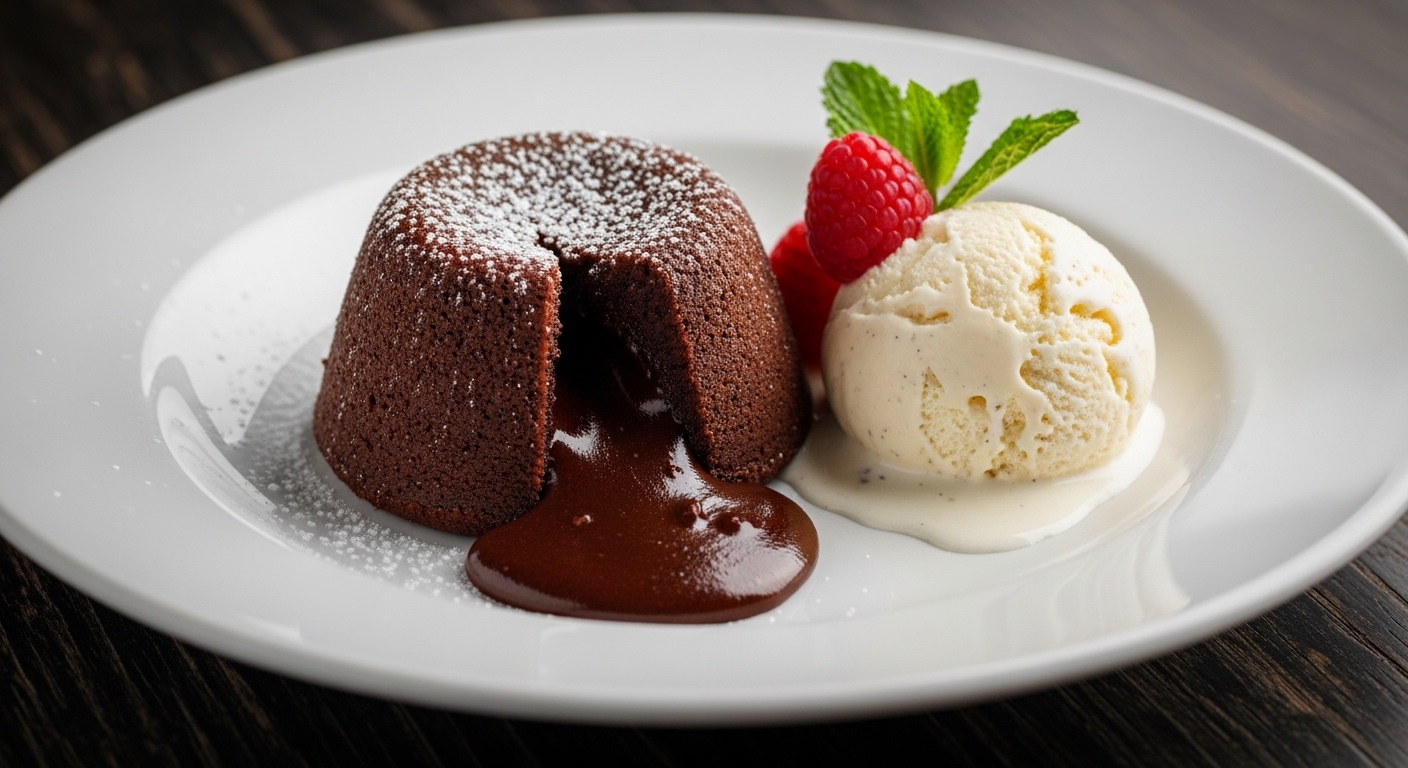
The Ultimate Chocolate Lovers’ Dream
There is something truly magical about a Chocolate Lava Cake. From the outside, it looks like a modest, perfectly baked chocolate cake. But the moment your spoon breaks the surface, a rich, molten chocolate center spills out in a velvety wave of indulgence. It is the kind of dessert that transforms a simple dinner into an unforgettable occasion, and the best part is that it is far easier to make than most people think.
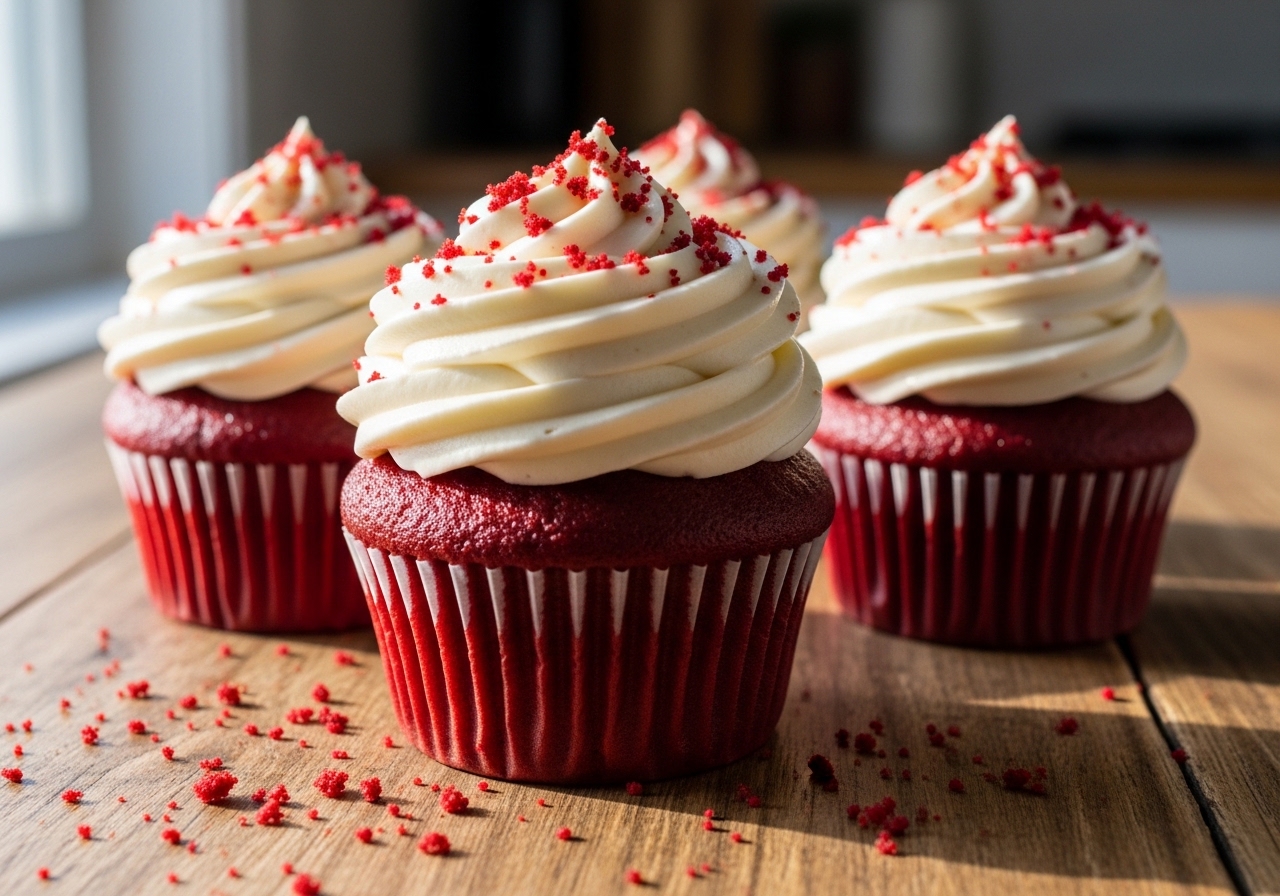
Whether you’re planning a romantic date night, hosting an elegant dinner party, or simply craving a decadent treat at home, this recipe is your ticket to a restaurant-quality experience in under 30 minutes. It’s warm, gooey, and absolutely unforgettable. Once you master this recipe, you will never need to order it at a restaurant again because your homemade version will taste even better. If you’re a chocolate lover, you’ll also want to try our Red Velvet Cupcakes for another showstopping chocolate dessert.
The History Behind the Lava
The Chocolate Lava Cake, also known as molten chocolate cake or “fondant au chocolat” in French cuisine, has a surprisingly debated origin story. Some credit famous French chef Michel Bras, who created a similar dessert called “Coulant au Chocolat” in 1981 at his restaurant in southern France. Others attribute it to New York chef Jean-Georges Vongerichten, who claims to have accidentally invented it in the late 1980s by pulling a chocolate cake out of the oven before it was fully baked. Regardless of who deserves the credit, the result is a dessert that has become a staple on fine dining menus around the world. The genius of the dish lies in its paradox: a cake that is both baked and unbaked at the same time, creating a contrast of textures that is nothing short of extraordinary.
Ingredients for Perfection
To achieve that iconic lava flow, quality is key. Here is what you’ll need and why each component matters:
- Premium Chocolate: Use a high-quality baking bar rather than chocolate chips for the smoothest melt. Chocolate chips contain stabilizers that prevent them from melting evenly. A 60% cacao semi-sweet bar provides the ideal balance of bitterness and sweetness for this recipe.
- Unsalted Butter: Controls the saltiness of your dessert and contributes to the incredibly rich, moist texture. Using unsalted butter allows you to control exactly how much salt goes into the batter.
- Eggs & Extra Yolks: The secret to that rich, custardy center. The combination of whole eggs and additional yolks creates the structure that holds the cake together on the outside while keeping the center liquid and flowing.
- Powdered Sugar: Keeps the texture light and airy rather than dense and grainy. Granulated sugar can make the batter gritty, while powdered sugar dissolves seamlessly.
- Flour: Just enough to give the cake structure without turning it into a traditional cake. We use less flour than you might expect because we want the center to remain molten.
Step-by-Step Instructions
- Prep Your Ramekins: Preheat your oven to 425°F (218°C). Generously grease two 6-ounce ramekins with butter and dust with cocoa powder. This ensures your cakes slide out perfectly and adds a thin layer of extra chocolate flavor on the exterior. Tap out any excess cocoa powder and place the ramekins on a baking sheet for easy transport.
- Melt the Chocolate: In a microwave-safe bowl, combine the chopped chocolate and butter. Heat in 30-second increments, stirring between each burst, until completely smooth and velvety. Be patient here because overheating can cause the chocolate to seize and become grainy. Alternatively, you can use a double boiler method for more gentle, even heat.
- Mix the Base: Whisk in the powdered sugar until combined. Add the eggs, egg yolks, and vanilla extract, whisking vigorously until the batter is glossy and thick. This step is important because the air you incorporate here contributes to the slight rise of the cake in the oven.
- Fold in Flour: Gently fold in the flour and a pinch of salt. Do not overmix! You want the batter just combined to keep it tender. Overmixing develops the gluten in the flour, which would give you a tough, chewy cake rather than the delicate, silky texture we want.
- Bake to Perfection: Divide the batter between the ramekins, filling them about three-quarters full. Bake for 12–14 minutes. The edges should be firm and slightly pulled away from the sides, but the center should still look slightly soft and jiggly when you gently shake the pan. This is the most critical step in the whole recipe.
- Rest and Invert: Let the cakes cool in the ramekins for exactly 1 minute—no more, no less. Place a plate over the top and carefully invert. Let it sit for 10 seconds, then lift the ramekin to reveal your masterpiece. If the cake sticks, run a thin knife around the edge before inverting.
Tips & Tricks for the Perfect Lava
- Don’t Overbake! This is the golden rule. Every oven is different, so start checking at 11 minutes. If the top is no longer wet but the center remains soft, it’s ready. An overbaked lava cake is just a regular chocolate cake, and while that is still delicious, it defeats the purpose.
- Chocolate Choice: For a deeper, more intense flavor, use dark chocolate (70% cacao). If you need a gluten-free version, a 1:1 gluten-free flour blend works beautifully here since we use so little flour anyway.
- Prep Ahead: You can make the batter and divide it into ramekins up to 6 hours in advance. Just store them covered in the fridge and add 1-2 minutes to the baking time to account for the cold batter. This makes this recipe ideal for dinner parties because you can prepare everything before your guests arrive and simply pop them in the oven during the main course.
- Restaurant Plating: Wipe away any stray crumbs from the plate and place the cake slightly off-center to leave room for a scoop of ice cream. A clean plate with intentional negative space looks far more professional than a crowded one.
- The Temperature Test: If you have an instant-read thermometer, the center should register about 160°F (71°C) when the lava is perfectly molten.
Understanding the Science Behind the Lava
What makes this cake work is the precise balance of heat and timing. The outside of the cake bakes fully because it is in direct contact with the hot ramekin, but the center stays liquid because the baking time is too short for the heat to penetrate all the way to the middle. The eggs in the batter set on the outside, creating a structure that holds the cake together when inverted, while the interior remains essentially a warm chocolate ganache. Understanding this principle means you can adjust the recipe to your oven. If your first attempt comes out fully baked, reduce the time by a minute. If the cake collapses when inverted, add a minute.
Serving Suggestions
To make this truly memorable, presentation is everything:
- The Classic Pairing: A large scoop of cold vanilla bean ice cream creates a stunning temperature contrast with the warm cake. The moment the cold ice cream meets the hot chocolate lava is pure dessert poetry. For another creamy, indulgent dessert, check out our New York Cheesecake recipe.
- Berry Fresh: Add a handful of fresh raspberries or a sliced strawberry to cut through the richness with a bit of acidity. The bright red against the dark chocolate is also visually stunning.
- The Finishing Touch: A simple dusting of powdered sugar or a sprig of fresh mint makes the dark chocolate colors pop. Use a fine-mesh sieve for an even, elegant dusting.
- Beverage Pairing: Serve with a strong espresso or a glass of dessert wine like a Ruby Port. The bitterness of the coffee or the sweetness of the port complements the richness of the chocolate beautifully.
- Salted Caramel Drizzle: For a modern twist, add a few spoonfuls of warm salted caramel sauce around the plate. The salt enhances the chocolate flavor while the caramel adds another layer of sweetness.
Why This Dessert Never Gets Old
This Chocolate Lava Cake is more than just a dessert—it’s an experience. It’s surprisingly straightforward to make, yet it never fails to impress. The combination of the crispy exterior and the warm, flowing chocolate center creates a sensory moment that will have your guests talking long after the last bite. Once you’ve made this recipe a few times and found the perfect timing for your oven, it will become your signature dessert—the one everyone asks you to bring to every gathering.
My Kitchen Notes
I’ve made this recipe more times than I can count, and here are a few things I’ve learned along the way. First, I found that letting the batter rest for about 5 minutes after mixing gives the flour time to hydrate slightly, which produces an even silkier texture in the final cake. Second, the quality of chocolate truly makes or breaks this dessert—I tested with generic chocolate chips versus a 60% cacao baking bar and the difference was night and day. The chips left a slightly waxy mouthfeel while the baking bar melted into pure velvet. Third, I’ve experimented with adding a tiny pinch of espresso powder to the batter, and it doesn’t make the cake taste like coffee—it simply amplifies the chocolate flavor in a way that’s hard to describe but impossible to miss once you’ve tried it. Finally, I recommend always making two cakes per person rather than one. They’re small enough that eating two feels indulgent without being excessive, and it guarantees everyone gets their own molten moment.
Common Mistakes to Avoid
- Overbaking the cakes: This is the number one reason lava cakes fail. Even one extra minute can turn a molten center into a fully set one. Start checking at 11 minutes and err on the side of underbaking—the residual heat will continue cooking the cake after you remove it from the oven.
- Using chocolate chips instead of baking bars: Chocolate chips contain stabilizers designed to hold their shape during baking, which means they won’t melt as smoothly. Always use a high-quality baking chocolate chopped from a bar for that signature molten flow.
- Skipping the cocoa powder dusting on ramekins: Butter alone isn’t enough to prevent sticking. The cocoa powder creates a thin barrier that helps the cake release cleanly and adds an extra layer of chocolate flavor. Flour works in a pinch, but it can leave a white residue on the finished cake.
- Overmixing the batter after adding flour: Once the flour goes in, switch from whisking to gentle folding. Overmixing develops gluten, which gives you a rubbery, tough cake instead of the delicate, tender crumb that makes this dessert special.
- Inverting too early or too late: The 1-minute resting period is precise for a reason. Too short and the cake will collapse because it hasn’t set enough to hold its shape. Too long and the ramekin cools too much, causing the cake to stick. Set a timer.
Storage & Meal Prep Tips
Chocolate Lava Cakes are best enjoyed immediately after baking, but you can prep ahead to make entertaining easier. The unbaked batter can be divided into greased ramekins, covered tightly with plastic wrap, and refrigerated for up to 24 hours. When you’re ready to bake, add 1-2 extra minutes to the baking time since the batter will be cold. You can also freeze the unbaked batter in ramekins for up to 2 weeks—cover each ramekin with plastic wrap and then foil. Thaw overnight in the fridge before baking.
If you’ve already baked the cakes and need to save leftovers, they won’t maintain their molten center, but you can store them in the fridge for up to 2 days. Reheat in a 350°F oven for about 5-7 minutes to restore some warmth and softness. The lava won’t be as flowing, but the chocolate flavor will still be wonderful. For meal prep, consider making the chocolate base (melted chocolate and butter) in advance and storing it in the fridge—it firms up but melts back down easily when gently warmed.
Frequently Asked Questions
Can I make chocolate lava cakes ahead of time?
Absolutely. Prepare the batter and pour it into greased ramekins, then cover and refrigerate for up to 24 hours or freeze for up to 2 weeks. When you’re ready to serve, bake directly from the fridge (adding 1-2 minutes) or from frozen (adding 3-4 minutes). This makes it an ideal dessert for dinner parties since you can prep everything before guests arrive.
Why did my lava cake come out fully baked?
The most common culprit is overbaking. Every oven runs slightly differently, so the 12-14 minute guideline is a starting point. Try reducing the baking time by 1-2 minutes on your next attempt. Also, make sure your oven temperature is accurate—an oven thermometer can reveal if your oven runs hot. Finally, check that you’re using the correct ramekin size; larger ramekins mean more batter, which requires longer baking and risks cooking through entirely.
Can I use milk chocolate instead of semi-sweet?
You can, but the result will be significantly sweeter and less complex. Milk chocolate has more sugar and less cocoa solids, so the molten center will taste more like candy than a rich, sophisticated dessert. If you prefer a milder chocolate flavor, try using a 50% cacao bar as a compromise. Avoid going below that percentage, or the cake may taste overly sweet and one-dimensional.
What if I don’t have ramekins?
You can use a muffin tin as an alternative. Grease the cups generously, fill them about three-quarters full with batter, and reduce the baking time to about 10-12 minutes since muffin cups are smaller. The presentation won’t be quite as elegant, but the molten center will be just as delicious. You can also use oven-safe coffee mugs for a more rustic presentation.
How do I know when the center is perfectly molten?
The jiggly test is your best friend. Gently shake the ramekin—the edges should look set and slightly firm, but the center should wobble like gelatin when you tap the side. If you have an instant-read thermometer, the center should read about 160°F (71°C). The top may still look slightly wet or glossy, and that’s exactly what you want. Trust the process and resist the urge to bake until the top looks completely done.

About the Author
Makutu Bright
Software engineer, founder of Cracipes, and passionate home cook based in Kumasi, Ghana. BSc from KNUST, trained at AltSchool Africa. Combines food science research with real-world cooking experience to create reliable, well-tested recipes.
View All Recipes & Full Bio
Submission Received!
Your review is in the kitchen being moderated.